Showing posts with label 40s. Show all posts

"Land Girls" portraits by B.Salmond

  Portrait of a Land Girl 1946

On Ebay recently, I found these fantastic family portraits by an artist B.Salmond, who captured the women in their Land Girl uniforms. I must admit, the uniform itself is not necessarily the iconic green jumper and jodhpurs/dungarees featured in the War propaganda posters, but the utilitarian and tailored styles certainly refer to working women's styles of the time. I think the portraits themselves are charming, quite nostalgic - similar to children's albums of the time? Soft focus and big bright eyes!

 Portrait of a Land Girl 1949

Portrait of a Land Girl 1946

This earliest example of his work portrays "Two sisters before the War" and although I can imagine many finding it slightly unnerving (I think intensely staring children often has that effect on people!) I actually, think it's a great addition to the collection! I like the awkwardness, and the beautiful tones of the background hints at the 'green and pleasant' childhood these girls had before The War took over their lives (suddenly it becomes clear what I wrote my dissertation about eh?)

Portrait of Sisters before the War


They all were sold seperately, and none of them went for more than £12, which surprised me! I would only have brought the whole set, rather than just one. Hope these proved interesting for those other 1940's fans, I would love to know of any other similar examples you know of!

Thanks for reading,

Katie
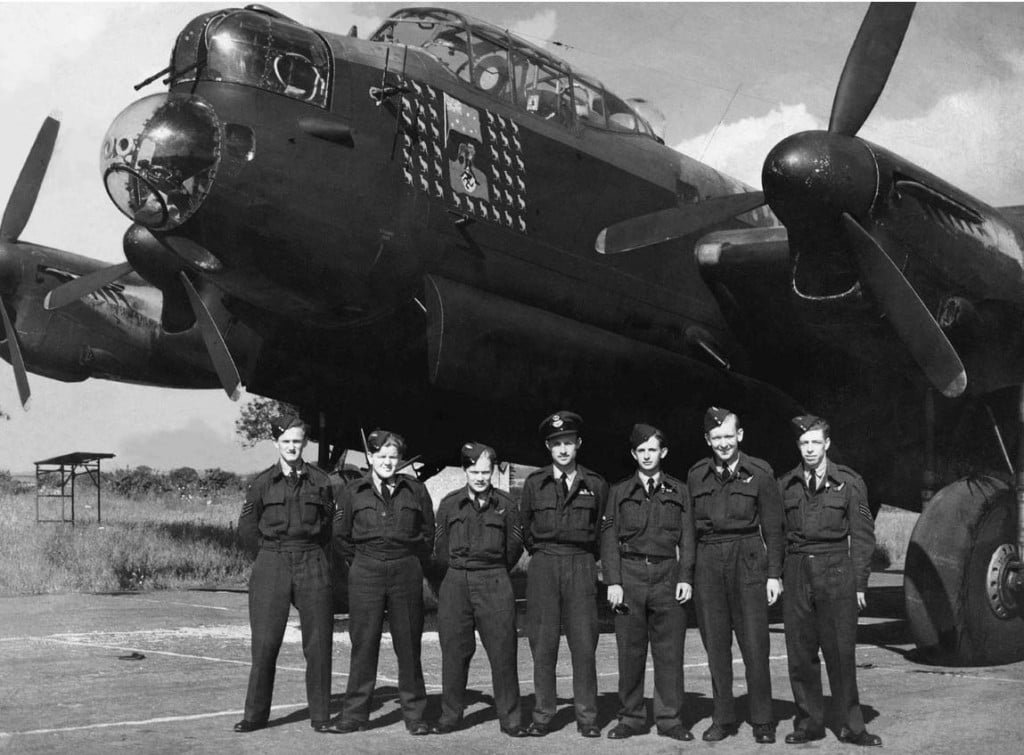
Bomber Command Memorial


It's taken 67 years to finally get this memorial for the Bomber Command built, but finally, yesterday was the day when Britain finally and formally acknowledged its debt to the 55,573 men of Bomber Command who never came home.

Due to the recent emphasis on this campaign, and some excellent books and documentaries pushing the stories of these brave men to the front of peoples minds, we now know how the government had brushed them aside in the aftermath of the war, concerned that the carpet-bombing of German cities would sit ill with Britains victory. 
Personally, I cannot comprehend such attitudes, particularly when The Lancaster Bomber and the Spitfires are such icons of Britain, brought out at every special national occasion, and admired for their beauty, strength and courage. How could these men have been so betrayed? 

In numbers, here are the facts:
19 Victoria Crosses won by men of Bomber Command, including Guy Gibson, who led the Dam Busters raid
125,000 Bomber Command air crew serving during WWII
55,573  died in action, a death rate of 44 per cent
4% average chance of being shot down per mission – but crews had to complete at least 30. Chances of surviving war lower than infantry officer in First World War trenches
9,838 bomber crew became prisoners of war
1.3m  tons of bombs dropped by the Allies on Germany
635,000   is the estimate of German civilians killed
72% of Bomber  Command dead were British. The rest were from Canada, Australia and New Zealand

I think the memorial is stunning, particularly the figure looking towards the sky shielding his eyes. Very stoic, and in my opinion, understated. 
It was designed by Liam O'Connor and built in Portland stone, features a bronze 9ft-high sculpture of seven aircrew. Sculptor Philip Jackson said the tone of the work was reflective and portrayed men returning from a mission: "I chose the moment when they get off the aircraft and they've dumped all their heavy kit on to the ground."
The memorial also has a roof made of aluminium reclaimed from a Handley Page Halifax III bomber
An inscription says the memorial "also commemorates those of all nations who lost their lives in the bombing of 1939-1945".

I'm just sorry it's taken so long.


 If you would like to learn more about the "Bomber Boys" i would highly recommend this BBC documentary with Ewen and Colin Mcgregor exploring the Bomber Commands story.


As always, thanks for reading!

Katie

Maureen Dunlop de Popp - A true heroine


I thought a post dedicated to the brave and beautiful as Maureen Dunlop de Popp, who sadly passed away last week at the age of 91 was appropriate. She was one of the 164 female members of the wartime Air Transport Auxiliary (ATA), of which one in ten pilots died doing their duty of transporting planes between factories and military airfields. The above photograph proved the dream of the Picture Post photographer, who put this image of her emerging from the cockpit of a Fairey Barracuda on the cover, 1944.

The ATA's work was gruelling, they flew the length and breadth of the UK in all weathers, at a time when the nature of flying was changing to become a vital part of the war effort. The women pilots had to cope with opposition and rudeness from men who had little faith in their abilities - or perhaps even misplaced chivalry. The female pilots weren't permitted to fly in combat, but Dunlop expressed her wish to have been involved in the fighting : "I thought it was the only fair thing. Why should only men be killed?"

Maureen flew 38 different types of aircraft during her time at the ATA, including the Spitfire, Mustang, Typhoon and the Wellington bomber. However, when asked her favourite, she immediately responded "The Mosquito"

Maureen Dunlop began flying at the age of 15, when she joined the Aeroclub Argentino. Two years later she had obtained her pilot's licence. The example of her father's British military experience as a volunteer with the Royal Field Artillery in the First World War, together with an article in Flight magazine, inspired her to sail to England and offer her flying skills to the ATA.
She came through the war uninjured, but once had to make a forced landing with a faulty engine, and once was flying a Spitfire when a badly fitted cockpit cover blew off. After the war she qualified in England as an instructor and, returning to Argentina, flew for the Argentine Air Force and taught its pilots, as well as flying commercially.

Maureen is a true inspiration, but I think a widely unknown story. Perhaps reading about such bravery is a reminder that it was a national effort fighting in World Wars, and we should always be keen to learn, and remember their contributions.

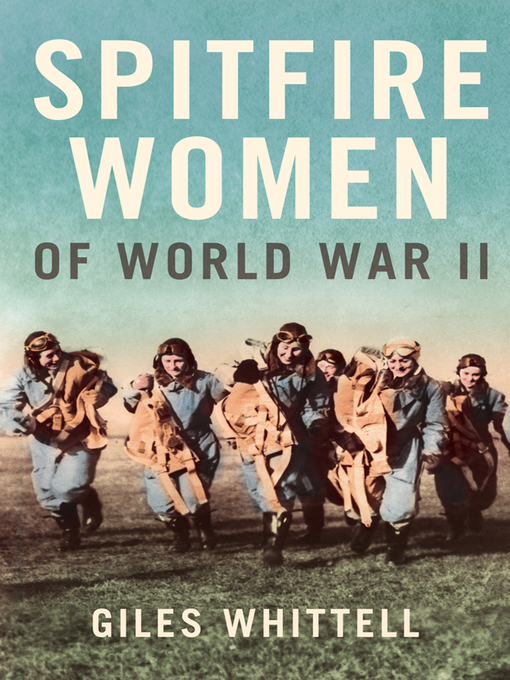
If you would like to discover more, the "Spitfire Women of World War II" book by Giles Whittel can be found HERE 


Thanks for reading,

Katie