Showing posts with label historical. Show all posts

Remembrance Sunday 2014


This poppy was picked from the trenches during the First World War by George James Palmer who was serving in the Machine Gun Corps (MGC). It was picked sometime during the Third Battle of Ypres (31 July -10 November 1917).


MCMXIV

Phillip Larkin


Those long uneven lines
Standing as patiently
As if they were stretched outside
The Oval or Villa Park,
The crowns of hats, the sun
On moustached archaic faces
Grinning as if it were all
An August Bank Holiday lark;

And the shut shops, the bleached
Established names on the sunblinds,
The farthings and sovereigns,
And dark-clothed children at play
Called after kings and queens,
The tin advertisements
For cocoa and twist, and the pubs
Wide open all day;

And the countryside not caring
The place-names all hazed over
With flowering grasses, and fields
Shadowing Domesday lines
Under wheats’ restless silence;
The differently-dressed servants
With tiny rooms in huge houses,
The dust behind limousines;

Never such innocence,
Never before or since,
As changed itself to past
Without a word–the men
Leaving the gardens tidy,
The thousands of marriages
Lasting a little while longer:
Never such innocence again.

Today the nation honoured the 100th anniversary of the outbreak of The First World War with the traditional Remembrance Sunday service at The Cenotaph. As the historic and truly iconic music was played by the military bands, we remembered all who have given their lives for our country, and indeed, for the greater good across the world. Veteran soldiers took their two minutes silence alongside the families of young men and women killed in modern conflict, united together for this poignant and unforgettable day. I never fail to be moved by watching the coverage, and coming through London on the train afterwards I was fighting the urge to hug and thank every Veteran I saw, who sat on the trains quietly tucking their medals back into their pockets. They did their friends, family and comrades proud today, and I think the first ever spontaneous applause for The Queen after the ceremony was whole heartedly deserved, it sent a powerful reminder that Britain will stand strong against any storm.
Britain has been rallying around Remembrance Day with the encouragement of the current exhibition "Blood Swept Lands And Seas Of Red" at The Tower Of London. I think more than ever in recent years, the public have been thinking about the impact of The First World War - it's been brought out of black and white text books and once more to forefront of peoples hearts. I think it was a truly momentous exhibit and I am so glad I visited this week, and have one of the poppies coming to my home next year. With both Army and Navy connections in my family, and living in a military town all my life, my emotional connection to the armed forces is becoming clearer to me every year. I have felt the reverberations from the powerful message of today, that despite modern life being so fast paced and often unforgiving, At the going down of the sun and in the morning, we will remember them.


D-Day 70

Vertical aerial photograph of the landings on Mike beach, Juno area, to the west of Courselles-sur-Mer, 6 June 1944.
Image courtesy of The Imperial War Museum.

Seventy years ago today, allied troops landed on the Normandy beaches amid the cacophony of shells and gunfire, running through the surf into the hell of battle. It was the biggest amphibious invasion in history, but the plan also contained an all out airborne and marine assault. They fought them on the beaches, in the air, and in the water. Such bravery. 


They fought for our freedom today, we can't possibly comprehend what they saw, what they felt, but we can forever honour and remember them. My Grandad was still a teenager on those waters, I can barely believe he would have witnessed scenes such as these. Watching all the the veterans returning to Normandy this week has been emotional, but the still-strong camaraderie is utterly inspiring, and the matter-of-fact manner they speak about that day never fails to move me. It is almost incomprehensible to think what the world could be like today without them. No matter how much the modern world changes, we must remember all those who have faced the horrors of war. Lest we forget. 

Commandos of 1st Special Service Brigade approach Queen Red beach, Sword area, c. 0840 hours, 6 June 1944. Sherman DD tanks of 13th/18th Royal Hussars and the specialised armour of 79th Armoured Division can be seen crowding together on the beach ahead. Image courtesy of The Imperial War Museum.

Remembrance Sunday - For Our Tomorrow, They Gave Their Today


MCMXIV by Philip Larkin

Those long uneven lines 
Standing as patiently 
As if they were stretched outside 
The Oval or Villa Park, 
The crowns of hats, the sun 
On moustached archaic faces 
Grinning as if it were all 
An August Bank Holiday lark;

And the shut shops, the bleached 
Established names on the sunblinds, 
The farthings and sovereigns, 
And dark-clothed children at play 
Called after kings and queens, 
The tin advertisements 
For cocoa and twist, and the pubs 
Wide open all day;

And the countryside not caring 
The place-names all hazed over 
With flowering grasses, and fields 
Shadowing Domesday lines 
Under wheat's restless silence; 
The differently-dressed servants 
With tiny rooms in huge houses, 
The dust behind limousines;

Never such innocence, 
Never before or since, 
As changed itself to past 
Without a word--the men 
Leaving the gardens tidy, 
The thousands of marriages 
Lasting a little while longer: 
Never such innocence again.


I find Remembrance Sunday sadder each year. As I take my two minutes silence, not only do I think of those from the World Wars, but those who have fallen since last Remembrance Day. Living in an Army Town only makes the message more poignant and personal. The music played at the Cenotaph such as Heart of Oak by William Boyce, Nimrod by Edward Elgar, Flowers In The Forest and of course The Last Post, never fails to break my heart. They are full of pride, as well as such enormous sadness, and I can only imagine the faces of those brave men getting onto the trains leaving for the front, with no idea what lay before them. Every time. 

Despite few now remembering The First World War first hand, a century on, this day triggers the same emotional release. I always see men of that generation to be so stoic, which only upsets me more, knowing the things they've seen. Such emotion for that generation left behind, who forever had the shadows of the sons, fathers, brothers, husbands and comrades that should have come home. Family life shattered forever. A generation of men wiped out, empty chairs at the dinner table, yellowing family photographs over the fireplace. 

We will remember them.

International Women's Day 2013 - Celebrating the life of Mary Anning

I'm sorry to be so late in posting this, busy day! But I couldn't collapse into bed before celebrating International Women's Day 2013!

This year, I'm dedicating this post to the wonderful Mary Anning, 'the fossil woman', for her sheer grit, determination and legacy to the world of Science and Natural History.


Mary Anning (1799 - 1847) shaped the course of Paleontology when she was just 11, when she uncovered a complete Ichthyosaur skeleton in the the Blue Lias rocks of Charmouth Beach. She is thought to be the first person to discover complete Ichthyosaur and Plesiosaur skeletons, and her findings are still studied by scientists today (head to the Natural History Museum!). Fossil hunting became her lifelong passion, and she became a successful collecter and dealer in her field. Her work contributed to the scientific thinking developments of the time, involving prehistoric life and the history of the Earth itself.

It's accepted that Annings gender and social class prevented her from fully participating in the 19th century scientific community, which was naturally dominated by wealthy gentlemen. Being a working-class woman made her quite the alien of the scientific community as of course at the time, women didn't have the right to vote or attend university. She was well known in geological circles in Britain, Europe and America, often knowing far more about fossils and geology than her buyers, but being a woman she was not eligible to join The Geological Society of London, therefore did not always receive full credit for her scientific contributions. She wrote "The world has used me so unkindly, I fear it has made me suspicious of everyone", and the only scientific writing published in her lifetime was in The Magazine of Natural History in 1839 - an extract from a letter she had written to the editor questioning one of its claims.

Anna Pinney, a young woman who sometimes accompanied Anning while she collected, wrote: "She says the world has used her ill ... these men of learning have sucked her brains, and made a great deal of publishing works, of which she furnished the contents, while she derived none of the advantages."

Anning continued to support herself by selling fossils in Lyme Regis, but collecting them was certainly dangerous work. In 1823 an article in The Bristol Mirror said of her:

"This persevering female has for years gone daily in search of fossil remains of importance at every tide, for many miles under the hanging cliffs at Lyme, whose fallen masses are her immediate object, as they alone contain these valuable relics of a former world, which must be snatched at the moment of their fall, at the continual risk of being crushed by the half suspended fragments they leave behind, or be left to be destroyed by the returning tide: – to her exertions we owe nearly all the fine specimens of Ichthyosauri of the great collections"


Autograph letter concerning the discovery of plesiosaurus, from Mary Anning

In 1826 when she was 27, Anning purchased a home with a glass front window for her shop 'Anning's Fossil Depot'. The business was successful enough that it was in the local paper, which mentioned the skeletons on display. Many geologists and collecters visited the shop in Lyme, including geologist George William Featherstonhaugh who called her "a very clever funny creature". He purchased fossils from her for the newly opened New York Lyceum of Natural History in 1827.

The risks of the profession were proved in 1833 when she barely escaped a landslide which sadly killed her beloved dog Tray, pictured proudly in her portrait above. She wrote to a friend "Perhaps you will laugh when I say that the death of my old faithful dog has quite upset me, the cliff that fell upon and killed him in a moment before my eyes and close to my feet....it was but a moment between me and the same fate".

Her later years brought one more major find, a new type of plesiosaur which sold for £200, but sadly she was plagued by financial difficulties and ill health, dying of breast cancer when she was only 47. Her work had tailed off during the last few years of her life because of her illness, and as some townspeople misinterpreted the effects of the increasing doses of laudanum she was taking for the pain, gossip in Lyme was she had a drinking problem. 

After her death, Henry De la Beche, president of the Geological Society, wrote a eulogy that he read to a meeting of the society and published in its quarterly transactions. It was the first such eulogy given for a woman. These were honours normally only accorded to fellows of the society, which did not admit women until 1904. The eulogy began:

"I cannot close this notice of our losses by death without advertising to that of one, who though not placed among even the easier classes of society, but one who had to earn her daily bread by her labour, yet contributed by her talents and untiring researches in no small degree to our knowledge of the great Enalio-Saurians, and other forms of organic life entombed in the vicinity of Lyme Regis ..."

Her unusual life story attracted increasing interest, Charles Dickens wrote of her in 1865 that "The carpenter's daughter has won a name for herself, and has deserved to win it." In 2010, one hundred and sixty-three years after her death, The Royal Society included Anning in a list of the ten British women who have most influenced the history of science.

Mary was a true heroine. She never stopped striving to discover more about the earth and laid strong foundations that are still standing proudly today. I holiday every year in Charmouth and Lyme Regis, and always imagine Mary walking the coastline in that iconic bonnet and dress. Perhaps to some, it's a lonely image, but surely, it's a liberating one! She ignored what was socially acceptable and kept digging to discover the truth about the Earth, and inspired many women to delve into the scientific world. We must celebrate her amazing life's work and inspiring character, and find some comfort that at least now, she finally has the recognition she deserves. I can't wait to be walking that coastline again.


Thanks for reading!

Katie

Victorian Christmas Past


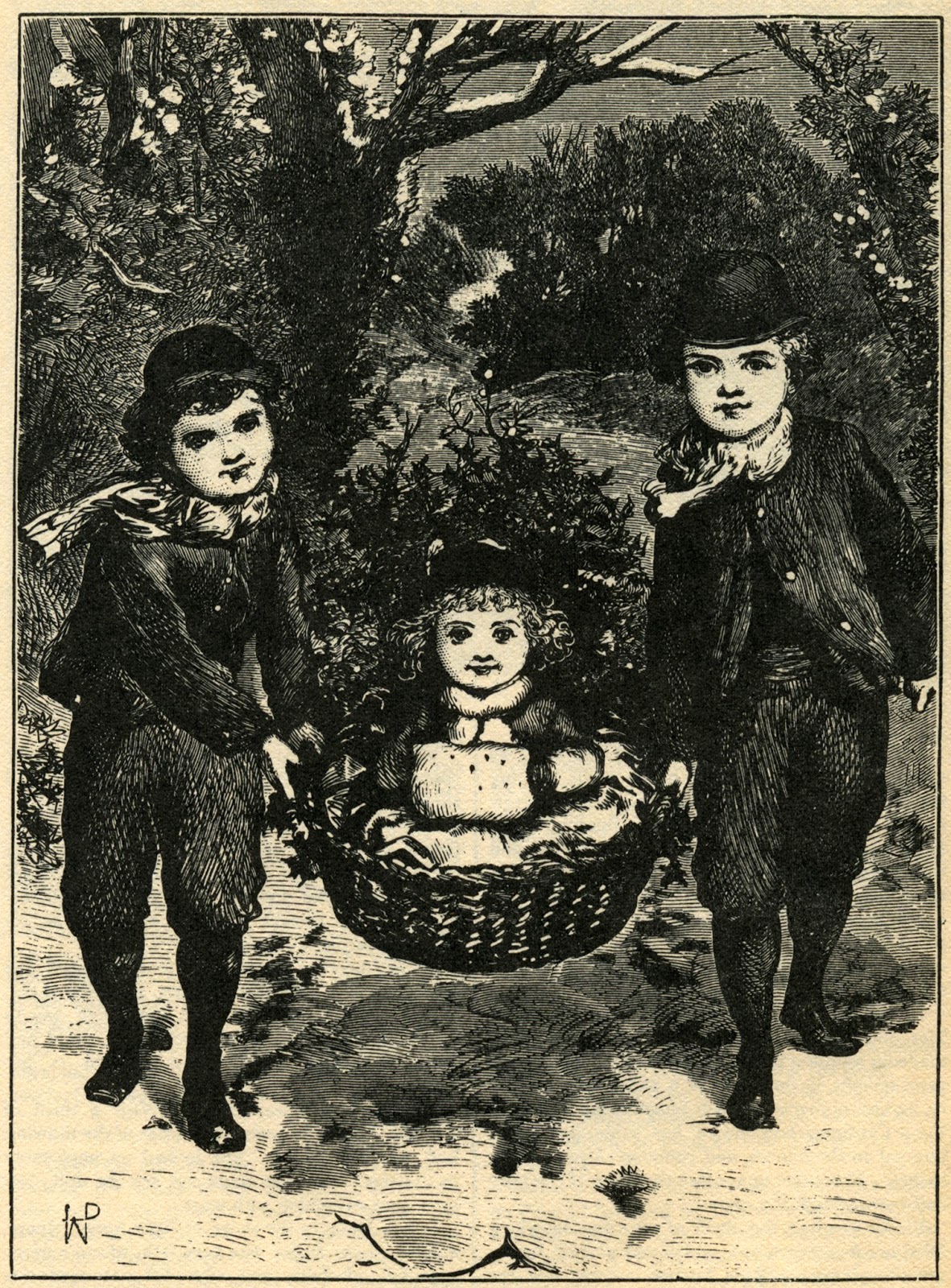
My Uncle recently bought me this fantastic book "Christmas Past, A selection from Victorian Magazines" compiled by Dulcie M. Ashdown.  It features a wide variety of engravings and illustrations from the time, it was hard to pick my favourites, but I hope you enjoy what I have selected!

I have always loved the Victorian approach to Christmas, the evergreens and candles, a table groaning with goose, fruit and puddings and three spirits visiting you on Christmas Eve to warn you to halt with the grumpiness - what's not to like? In fact, I automatically imagine 'The Ghost of Christmas Present' when thinking of Victorian Christmas! Here he is in all his glory:


But back to the book!

Firstly, I was so pleased to find a Christmas dinner menu mentioned, notice the 'Mock Turtle Soup' - of course we know Heston LOVES a good mock turtle, but to be honest...I think I'll stick to something simple! However, I would fully trust the recipe for roast pheasant, delicious!


The book is full of articles, but I think the introduction speaks for itself. I hope you enjoy the selection of pages I have found - I COULD have scanned the whole book, I need to read it properly before Christmas, I bet it will help me feel festive!

"The Victorian Christmas is everyones ideal of what a Christmas ought to be: children enraptured before a candle-lit tree, tables groaning under an abundance of turkey, goose and pudding, stories of ghosts and hobgoblins, carol singers, church bells ringing through midnight air.

It is only in the last hundred years or so that such Christmas feasts and entertainments have been shared by the majority, rather than by the privileged few. In Victorian times, 'Christmas as at Windsor' became the established order, for it was the festivities of the royal family that people took as their model. The popular press was responsible for the wide dissemination of the new ideas, and from the mid-1860s Christmas features, stories, poems and pictures, beyond the purely religious sphere, won a place in December issues of magazines. "


...it is often said that the Victorians invented Christmas as we know it today. But what I think what is meant by this is that the Victorians pinned down the commercial opportunities that swung into action. They did invent Christmas Cards (described in the book as "little artistic works with which our home is flooded at the festive time"). And they certainly found the story of the baby born in a shed in the stony Judean hills too spartan and unromantic, so wrapped it up in tinsel with heavenly babes, candle-lit christmas trees, presents, turkey and plum pudding. Victorian lady poets even changed the weather at the nativity, waxing lyrical about the 'bleak mid-winter' and 'snow on snow' "

I think the following poem is just splendid, and the perfect festive note to end on! If you want more Victorian Christmastide, I highly recommend a visit to this blog, and search on Youtube for the BBC Victorian Christmas Farm videos!


How are your preparations coming along? Despite my Christmas Notebook being in full swing...the panic is starting to arrive, better go wrap some presents now, thanks for reading!

Katie

Remembering 'The Spy Princess' Noor Inayat Khan


This week in a corner of Bloomsbury, the sculpture of Noor Inayat Khan - a woman who was a pioneer in many ways, was unveiled by Princess Anne. Also known as "Nora Baker" or "Madeleine", Noor was a real Indian Princess but also a talented musician, writer, and linguist.

As the great-great-great granddaughter of Tipu Sultan, the Muslim ruler who heroically held back the East India Company, Khan told her army bosses that she might very well fight the British in India. But on 19th November 1940, she joined the Women's Auxiliary Air Force (WAAF), and as an Aircraft woman 2nd Class, she was sent to be trained as a wireless operator. She became an anti-imperialist who spied for the British Empire, and was the first female radio operator sent into Nazi-occupied France in 1942 by the Special Operations Executive (SOE), Churchill’s secret organisation that sought to “set Europe ablaze”. She was armed with only a false passport and a pistol. But in Paris she ran a spy ring; a role so deadly she was given 6 weeks max to survive. When the Gestapo did catch her, they tortured her for ten months, but she didn't reveal a single piece of information. She was classified as "highly dangerous" and shackled in chains. She was eventually killed in Dachau Concentration Camp, her last words before the gunshot were "Liberté", a notion the pacifist-turned-war-heroine held deeply. She was only 30 years old. Noor was posthumously awarded the George Cross by Britain and France awarded her the Croix de Guerre.

Following a campaign to install a permanent memorial in her honour in London, the Vice Chancellor of the University of London gave permission for the bust to be installed in Gordon Square, near the house where Noor lived and from where she left on her last mission, unable to tell her mother she might never return. Campaigners spent years raising £60,000 for Noor’s statue, by London-based artist Karen Newman. After the unveiling, a bugler played the Last Post before a minute's silence was observed.


Khan was one of the 2.5 million Indians who formed the single-biggest volunteer army in The Second World War, who all deserve commemoration. The memorial in Gordon Square will be the first for an Asian woman in this country, it will stand for peace and religious harmony, the principles Noor Inayat Khan believed in. This Remembrance Sunday, take your minutes to reflect on brave stories such as these that might never be known, the unsung heroes, and of course all those who have given their lives in conflict.


Thank you for reading,

Katie


Lumberjills of The Women's Timber Corps


This post is dedicated to some often forgotten heroines of WW2 - The Women's Timber Corps, otherwise known as 'Lumberjills'. Those who watch Wartime Farm on BBC2 would have seen them attempting The Timber Corps work, and I hope this will encourage widespread knowledge of these brave women.

The Lumberjills were a unit of of The Women's Land Army along with The Land Girls, who are more often used as the iconic image of the Women's Home Front.

The Women’s Timber Service had actually been set up during WW1, but in April 1942 the Ministry of Supply inaugurated The Women’s Timber Corps in England. When supply grew, Scotland followed in May 1942, forming its own Women’s Timber Corps. This was a new unit with its own identity and uniform. In Scotland, girls and women were recruited from the age of 17, however, some were as young as 14. Their issued badge contained a fir tree instead of the bundle of wheat featured on The Land Girls uniform.


The Lumberjills were drafted in at the outbreak of War to ensure Britain had timber for it's roaring industry. Home-produced timber was crucial for aircraft and railway construction, ship-building, charcoal for explosives and gas mask filters, not to mention everyday uses such as packaging and coffins. Some were actually stationed in forest huts, others stayed with locals. The hours were long, and in all weathers. As servicemen were stationed nearby, they often met at dances and many moved to Canada after the war with their sweethearts.


They faced prejudice from the male forestry workers, as this was pure manual labour and they weren't expected to be tough enough. Needless to say, they proved them wrong. Their hands became calloused, they developed strong muscular arms and legs - not traits of a "real lady" at the time, but they relished the freedom and fresh air even if it did cause many aches and pains! I can imagine that many were unwilling or uncomfortable to return to indoor-domestic lives IF their husbands returned. For those who joined when young, or if widowed and having to start afresh, I believe it gave them a strong core confidence, and the toughness to go on alone. The Land Army broke all social stereotypes of women, and changed society for the better, even in the face of such worldwide trauma.


The Women’s Timber Corps was disbanded in August 1946, with each girl handing back her uniform and receiving a letter from Queen Elizabeth, the Queen Mother, who was the patron of the WTC.

After The War, 8,700 women of The Timber Corps received no recognition, despite providing 60 per cent of the timber needed by the industry of the time. They finally gained a fitting memorial in 2007, when the Forestry Commission Scotland unveiled a powerful life size bronze sculpture by Malcolm Robertson. I thought this article gave an interesting account of the day:


For further reading regarding the memorial, visit The Women's Timber Corps Website.


A UNIQUE TRIBUTE TO BRITAIN'S LUMBERJILLS from WeeFlee Productions on Vimeo.

Veterans of The Women's Land Army and Timber Corps will be marching for the last time to the Cenotaph this year. I hope they will get a special remembrance this time, they deserve it.

I hope you enjoyed reading,

Katie

"Land Girls" portraits by B.Salmond

  Portrait of a Land Girl 1946

On Ebay recently, I found these fantastic family portraits by an artist B.Salmond, who captured the women in their Land Girl uniforms. I must admit, the uniform itself is not necessarily the iconic green jumper and jodhpurs/dungarees featured in the War propaganda posters, but the utilitarian and tailored styles certainly refer to working women's styles of the time. I think the portraits themselves are charming, quite nostalgic - similar to children's albums of the time? Soft focus and big bright eyes!

 Portrait of a Land Girl 1949

Portrait of a Land Girl 1946

This earliest example of his work portrays "Two sisters before the War" and although I can imagine many finding it slightly unnerving (I think intensely staring children often has that effect on people!) I actually, think it's a great addition to the collection! I like the awkwardness, and the beautiful tones of the background hints at the 'green and pleasant' childhood these girls had before The War took over their lives (suddenly it becomes clear what I wrote my dissertation about eh?)

Portrait of Sisters before the War


They all were sold seperately, and none of them went for more than £12, which surprised me! I would only have brought the whole set, rather than just one. Hope these proved interesting for those other 1940's fans, I would love to know of any other similar examples you know of!

Thanks for reading,

Katie

Book Review - 'Britannia's Daughters: Women of the British Empire' By Joanna Trollope


I've been meaning to start writing book reviews for a while, and inspired by blogger-pal LandGirl1980's great selection of reviews, I am starting this habit right now!

I have been recently disappointed by several books regarding women's history. Being such a wide-ranging and vibrant subject, I can't understand why some authors seem unable to produce any narrative! Instead they just rely on constant lists of names with no context on WHY we should care about these characters (I didn't want my first review to be a negative one, but expect an example soon!)

I am glad to say, 'Britannia's Daughters: Women of the British Empire' proved most-readable.
I'm not sure I agree with the reviews of "Gripping...unputdownable" but certainly a very lively approach to describing the women who signed up to escape in search of opportunities and adventures they couldn't have at home. I particularly enjoyed the inclusion of fun and lighthearted family photographs which help add gravitas to the women's choice to leave their home and family behind.

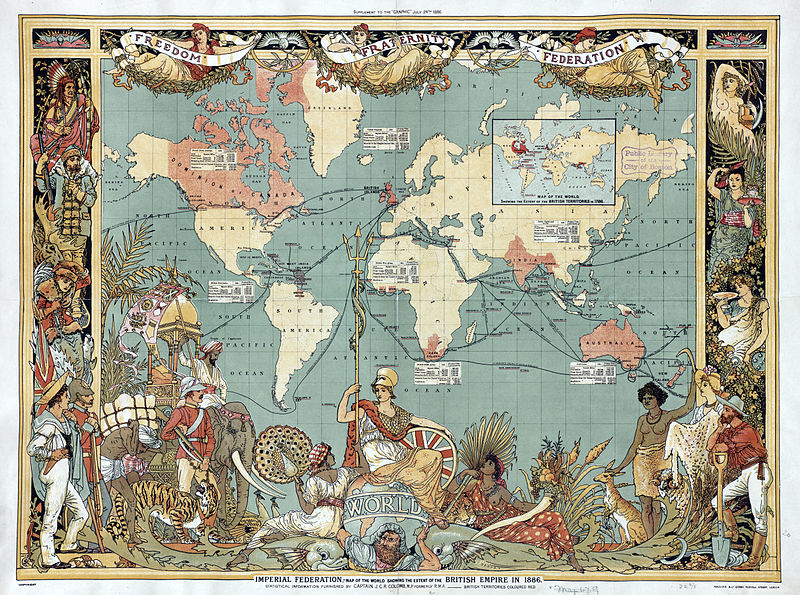
Map of the world showing the extent of the British Empire in 1886

I think the books strongest point is its broad-range of study regarding the social classes of the time. I think many imagine those who left to join "The Empire" enjoyed a life sipping a G&T whilst riding an elephant and brandishing a parasol. A dark truth we discover in the later chapters, is the deportation of women to the "uninhabited lands" of America, and eventually Australia in ships so cramped that a 6x6 foot space was deemed more than enough for four bodies. Their crime? Moral- Victorian England's worst nightmare...prostitution. Not something that would automatically spring to mind is it? They didn't send them to the "productive" lands of India (which already had a vast issue with prostitution) instead stuck to a typical "out of sight, out of mind" approach, shocking.

"Every woman is a nurse" is a fantastic chapter, describing to us the horrors of Victorian hospitals being no place for 'respectable' women (and rife with alcohol problems apparently) and the great change which followed when The Nightingale School of Nursing was set up. An important change swiftly followed around the empire, as finally women could be treated by their own gender, and stop being ashamed to discuss their situation or maladies. And for some of the doctors and nurses themselves who had lived previously sheltered and privileged lives, they now had to adapt to a whole new culture without the protection of their male family...and it would seem many relished this adventure! A particularly good quote from Dr Ellen Farrer, writing from India in 1891 describes the resolute self-sufficiency of each working day:

"Woman with dropsy arrived from Dadri on a camel. Cut orange peel for marmalade...went to see the postmaster's daughter, she has hysterics...Thirty five patients at dispensary...snake killed in Annie's bedroom"

My particular reason for picking up this book was because I hoped for stories about the female naturalists and plant-hunters who braved the jungles and highest mountains to bring back examples of previously unseen flora&fauna. I wasn't disappointed exactly, but I think a longer chapter could have been dedicated for Marianne North (who dedicated her life to painting plant specimens), Mary Kingsley (writer and explorer, particularly known for her work in Africa) and Margret Fountaine (Diarist and natural history illustrator). I think slightly too much detail was put into the darker/seeder side of women in the empire and not enough into the truly wild and colourful stories of the women explorers. There are some fantastic photographs of these women and their work at least, so it's best seen as a suitable introduction. I will be on the look-out for a more in depth study of these heroines soon!

 
Marianne North travelled the globe painting plants in their natural habitat

Marianne North - A Selection of Flowers from Mount Wellington, Tasmania (1880s)

So I would personally give "Britannia's Daughters" a 7/10. It's more of a lively-introduction than an in-depth history, and it did leave me with some questions. However, the chapters relating to the medical history was VERY informative, and has opened my eyes to the brutal truth surrounding womens missions abroad.

Thanks for reading!

Katie

50 years.


50 years since we lost her, but we all know she could never be forgotton. No need to say more, except I wish she could have made herself as happy as she makes us. 

I've never fooled anyone. I've let people fool themselves. They didn't bother to find out who and what I was. Instead they would invent a character for me. I wouldn't argue with them. They were obviously loving somebody I wasn't.” - Marilyn Monroe.

Bomber Command Memorial


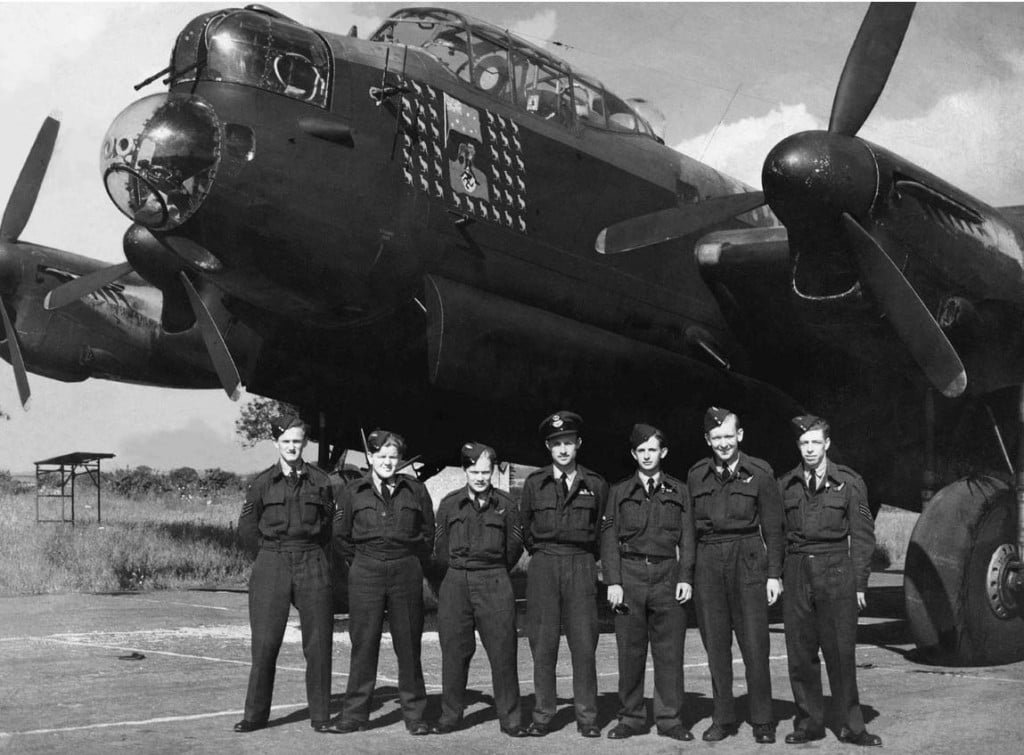
It's taken 67 years to finally get this memorial for the Bomber Command built, but finally, yesterday was the day when Britain finally and formally acknowledged its debt to the 55,573 men of Bomber Command who never came home.

Due to the recent emphasis on this campaign, and some excellent books and documentaries pushing the stories of these brave men to the front of peoples minds, we now know how the government had brushed them aside in the aftermath of the war, concerned that the carpet-bombing of German cities would sit ill with Britains victory. 
Personally, I cannot comprehend such attitudes, particularly when The Lancaster Bomber and the Spitfires are such icons of Britain, brought out at every special national occasion, and admired for their beauty, strength and courage. How could these men have been so betrayed? 

In numbers, here are the facts:
19 Victoria Crosses won by men of Bomber Command, including Guy Gibson, who led the Dam Busters raid
125,000 Bomber Command air crew serving during WWII
55,573  died in action, a death rate of 44 per cent
4% average chance of being shot down per mission – but crews had to complete at least 30. Chances of surviving war lower than infantry officer in First World War trenches
9,838 bomber crew became prisoners of war
1.3m  tons of bombs dropped by the Allies on Germany
635,000   is the estimate of German civilians killed
72% of Bomber  Command dead were British. The rest were from Canada, Australia and New Zealand

I think the memorial is stunning, particularly the figure looking towards the sky shielding his eyes. Very stoic, and in my opinion, understated. 
It was designed by Liam O'Connor and built in Portland stone, features a bronze 9ft-high sculpture of seven aircrew. Sculptor Philip Jackson said the tone of the work was reflective and portrayed men returning from a mission: "I chose the moment when they get off the aircraft and they've dumped all their heavy kit on to the ground."
The memorial also has a roof made of aluminium reclaimed from a Handley Page Halifax III bomber
An inscription says the memorial "also commemorates those of all nations who lost their lives in the bombing of 1939-1945".

I'm just sorry it's taken so long.


 If you would like to learn more about the "Bomber Boys" i would highly recommend this BBC documentary with Ewen and Colin Mcgregor exploring the Bomber Commands story.


As always, thanks for reading!

Katie

Maureen Dunlop de Popp - A true heroine


I thought a post dedicated to the brave and beautiful as Maureen Dunlop de Popp, who sadly passed away last week at the age of 91 was appropriate. She was one of the 164 female members of the wartime Air Transport Auxiliary (ATA), of which one in ten pilots died doing their duty of transporting planes between factories and military airfields. The above photograph proved the dream of the Picture Post photographer, who put this image of her emerging from the cockpit of a Fairey Barracuda on the cover, 1944.

The ATA's work was gruelling, they flew the length and breadth of the UK in all weathers, at a time when the nature of flying was changing to become a vital part of the war effort. The women pilots had to cope with opposition and rudeness from men who had little faith in their abilities - or perhaps even misplaced chivalry. The female pilots weren't permitted to fly in combat, but Dunlop expressed her wish to have been involved in the fighting : "I thought it was the only fair thing. Why should only men be killed?"

Maureen flew 38 different types of aircraft during her time at the ATA, including the Spitfire, Mustang, Typhoon and the Wellington bomber. However, when asked her favourite, she immediately responded "The Mosquito"

Maureen Dunlop began flying at the age of 15, when she joined the Aeroclub Argentino. Two years later she had obtained her pilot's licence. The example of her father's British military experience as a volunteer with the Royal Field Artillery in the First World War, together with an article in Flight magazine, inspired her to sail to England and offer her flying skills to the ATA.
She came through the war uninjured, but once had to make a forced landing with a faulty engine, and once was flying a Spitfire when a badly fitted cockpit cover blew off. After the war she qualified in England as an instructor and, returning to Argentina, flew for the Argentine Air Force and taught its pilots, as well as flying commercially.

Maureen is a true inspiration, but I think a widely unknown story. Perhaps reading about such bravery is a reminder that it was a national effort fighting in World Wars, and we should always be keen to learn, and remember their contributions.

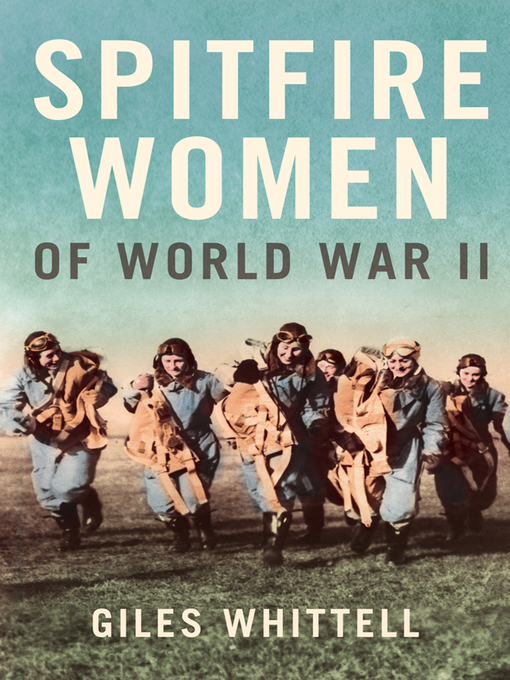
If you would like to discover more, the "Spitfire Women of World War II" book by Giles Whittel can be found HERE 


Thanks for reading,

Katie

Monthly Wish List - June

Well it's seemingly time again for this months Wish List, that came around very quickly! The flavour of this June, is of course, Jubilee and all things British, so forgive me one last dabble into royal memorabilia this year! First up, a 1953 silk coronation scarf, which caught my eye quite a while ago now, needless to say it went for some major ££'s so i had to give up! Compared to modern day souvenirs, I think this is in a different league! I know the V&A had some scarves to commemorate the Diamond Jubilee, but i can't say I was very taken with them.

1953 Silk Coronation Scarf, £28 from Ebay

On a similar "Blighty" theme, how about this authentic 1940s Home front embroidery of the UK, with adorable details which depict what areas are most famous for!  For example, London has St Pauls (complete with a blimp balloon fly over), fishing in Cornwall, etc!

Sold For £80 on Ebay HERE


It was from a pattern given in "Woman" magazine entitled "The Land We Love", which thankfully means there must be quite a few of these around! This is a particularly clean and bright example though, i even love the colour of the frame, although personally I'd turn it into a wall mounted piece rather than a fire screen.

Now, on a different note, how about these two little chaps? Early 1900s photograph, adorable little wire haired terriers. I love pet portraits from this era, as they must have really loved these dogs to give them their own portrait session! And in this case, two is definitely better than one!


1900s Dog Portrait, Found on Ebay

If you are a fellow dog-person, you may appreciate this charming tankard! A sturdy drinking companion, mixed with a hilarious Poodle handle, I absolutely love it, and i think Bruce would be more than happy to enjoy his ale in this! Am i right?

Pewter Tankard with poodle handle

Now for something utterly useless, but utterly charming! (My favourite sort of find!) This Home Gardener Championship Medal caught my eye because of the fantastic engraving of the people, very similar to prints done by my favourite Clare Leighton! I have googled it, and found no clues to where this has sprung from, as these championships go on worldwide, however it looks decidedly British to me, if only the chap had a pipe too!


Another cheeky vintage picture which seemed appropriate, as despite it being June, we are decidedly lacking in seaside-friendly weather! Its entitled "Early RP Cleethorpes Bathers" from the inter-war years (1918-1939) however I would say its definitely at the earlier end of the dates, ladies wouldn't have troubled themselves with those long skirts on the beach for much longer! They all look dashing, and i really enjoy the boardwalk behind them with the people admiring the view!

Cleethorpes Bathers Picture found on Ebay, sold for £7.99 HERE

And keeping on the coastal theme (because i am literally counting down the days until my Dorset holiday!!) my final Wish List item is this 1950s Yacht pattern decanter set, in a unusual tawny glass colour! A nice description by the seller too "This comes from a time when an after dinner drink meant a nip of cognac or some exotic liqueur brought back from a foreign holiday. Still charming for the table and an excellent addition to a home cocktail bar" - and i quite agree! A thoughtful description gives an item even more likability in my books!


Lets keep our sights set firmly on the summer everyone! The coastal themed items were also influenced by by best friend moving to Brighton this week, I will miss her everyday but I am excited to have a new seaside town to visit regularly, and i know she will love it there! 

Hope you have a great weekend, as always, thanks for reading!

Katie