Showing posts with label British History. Show all posts

Victorian Christmas Past


My Uncle recently bought me this fantastic book "Christmas Past, A selection from Victorian Magazines" compiled by Dulcie M. Ashdown.  It features a wide variety of engravings and illustrations from the time, it was hard to pick my favourites, but I hope you enjoy what I have selected!

I have always loved the Victorian approach to Christmas, the evergreens and candles, a table groaning with goose, fruit and puddings and three spirits visiting you on Christmas Eve to warn you to halt with the grumpiness - what's not to like? In fact, I automatically imagine 'The Ghost of Christmas Present' when thinking of Victorian Christmas! Here he is in all his glory:


But back to the book!

Firstly, I was so pleased to find a Christmas dinner menu mentioned, notice the 'Mock Turtle Soup' - of course we know Heston LOVES a good mock turtle, but to be honest...I think I'll stick to something simple! However, I would fully trust the recipe for roast pheasant, delicious!


The book is full of articles, but I think the introduction speaks for itself. I hope you enjoy the selection of pages I have found - I COULD have scanned the whole book, I need to read it properly before Christmas, I bet it will help me feel festive!

"The Victorian Christmas is everyones ideal of what a Christmas ought to be: children enraptured before a candle-lit tree, tables groaning under an abundance of turkey, goose and pudding, stories of ghosts and hobgoblins, carol singers, church bells ringing through midnight air.

It is only in the last hundred years or so that such Christmas feasts and entertainments have been shared by the majority, rather than by the privileged few. In Victorian times, 'Christmas as at Windsor' became the established order, for it was the festivities of the royal family that people took as their model. The popular press was responsible for the wide dissemination of the new ideas, and from the mid-1860s Christmas features, stories, poems and pictures, beyond the purely religious sphere, won a place in December issues of magazines. "
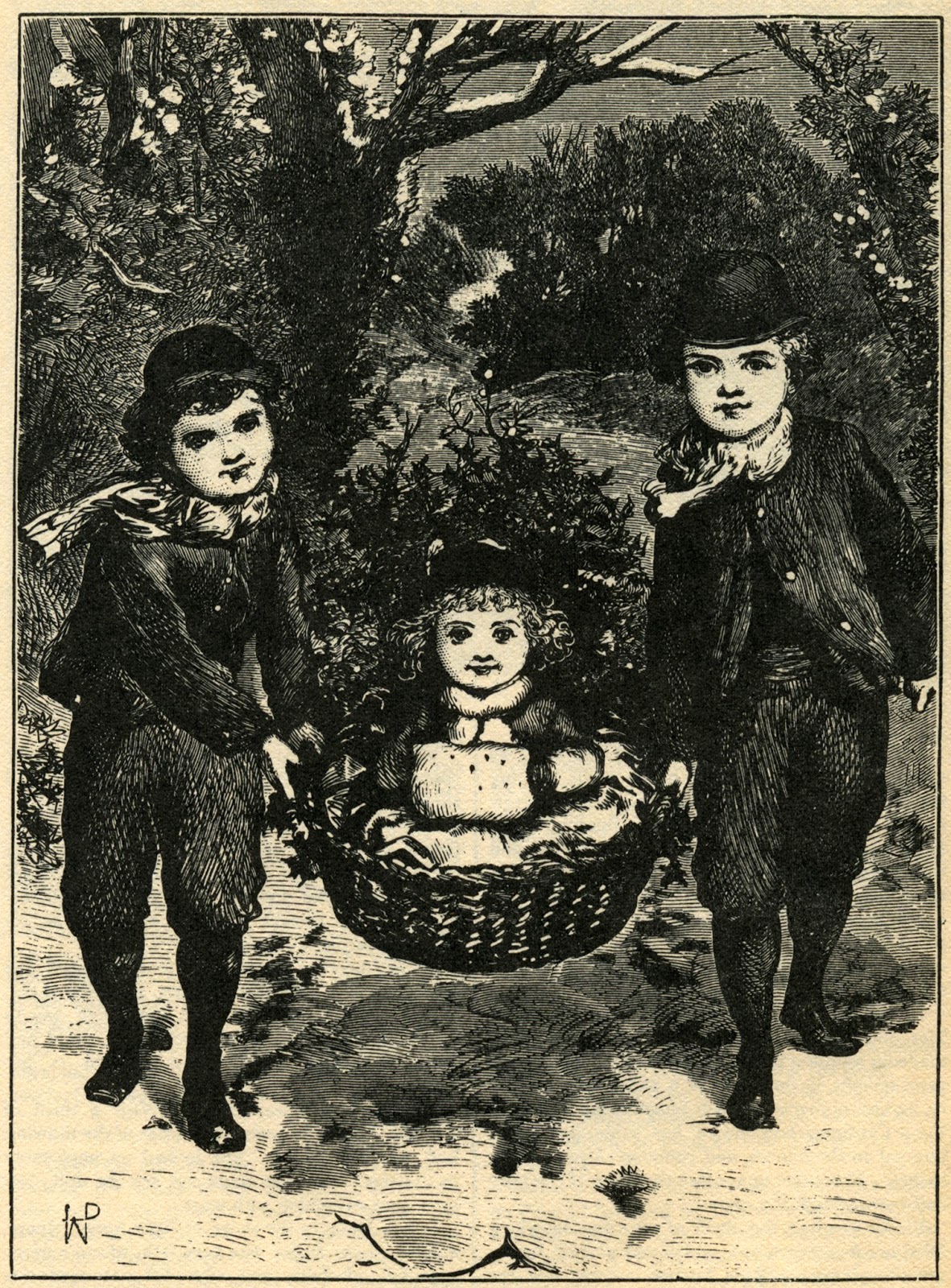


...it is often said that the Victorians invented Christmas as we know it today. But what I think what is meant by this is that the Victorians pinned down the commercial opportunities that swung into action. They did invent Christmas Cards (described in the book as "little artistic works with which our home is flooded at the festive time"). And they certainly found the story of the baby born in a shed in the stony Judean hills too spartan and unromantic, so wrapped it up in tinsel with heavenly babes, candle-lit christmas trees, presents, turkey and plum pudding. Victorian lady poets even changed the weather at the nativity, waxing lyrical about the 'bleak mid-winter' and 'snow on snow' "

I think the following poem is just splendid, and the perfect festive note to end on! If you want more Victorian Christmastide, I highly recommend a visit to this blog, and search on Youtube for the BBC Victorian Christmas Farm videos!


How are your preparations coming along? Despite my Christmas Notebook being in full swing...the panic is starting to arrive, better go wrap some presents now, thanks for reading!

Katie

Lumberjills of The Women's Timber Corps


This post is dedicated to some often forgotten heroines of WW2 - The Women's Timber Corps, otherwise known as 'Lumberjills'. Those who watch Wartime Farm on BBC2 would have seen them attempting The Timber Corps work, and I hope this will encourage widespread knowledge of these brave women.

The Lumberjills were a unit of of The Women's Land Army along with The Land Girls, who are more often used as the iconic image of the Women's Home Front.

The Women’s Timber Service had actually been set up during WW1, but in April 1942 the Ministry of Supply inaugurated The Women’s Timber Corps in England. When supply grew, Scotland followed in May 1942, forming its own Women’s Timber Corps. This was a new unit with its own identity and uniform. In Scotland, girls and women were recruited from the age of 17, however, some were as young as 14. Their issued badge contained a fir tree instead of the bundle of wheat featured on The Land Girls uniform.


The Lumberjills were drafted in at the outbreak of War to ensure Britain had timber for it's roaring industry. Home-produced timber was crucial for aircraft and railway construction, ship-building, charcoal for explosives and gas mask filters, not to mention everyday uses such as packaging and coffins. Some were actually stationed in forest huts, others stayed with locals. The hours were long, and in all weathers. As servicemen were stationed nearby, they often met at dances and many moved to Canada after the war with their sweethearts.


They faced prejudice from the male forestry workers, as this was pure manual labour and they weren't expected to be tough enough. Needless to say, they proved them wrong. Their hands became calloused, they developed strong muscular arms and legs - not traits of a "real lady" at the time, but they relished the freedom and fresh air even if it did cause many aches and pains! I can imagine that many were unwilling or uncomfortable to return to indoor-domestic lives IF their husbands returned. For those who joined when young, or if widowed and having to start afresh, I believe it gave them a strong core confidence, and the toughness to go on alone. The Land Army broke all social stereotypes of women, and changed society for the better, even in the face of such worldwide trauma.


The Women’s Timber Corps was disbanded in August 1946, with each girl handing back her uniform and receiving a letter from Queen Elizabeth, the Queen Mother, who was the patron of the WTC.

After The War, 8,700 women of The Timber Corps received no recognition, despite providing 60 per cent of the timber needed by the industry of the time. They finally gained a fitting memorial in 2007, when the Forestry Commission Scotland unveiled a powerful life size bronze sculpture by Malcolm Robertson. I thought this article gave an interesting account of the day:


For further reading regarding the memorial, visit The Women's Timber Corps Website.


A UNIQUE TRIBUTE TO BRITAIN'S LUMBERJILLS from WeeFlee Productions on Vimeo.

Veterans of The Women's Land Army and Timber Corps will be marching for the last time to the Cenotaph this year. I hope they will get a special remembrance this time, they deserve it.

I hope you enjoyed reading,

Katie