Whiskers of African Lion


One of my recent ebay finds. Utterly bizaare, chosen for no other reason that I just needed to buy something that odd! Plus, I have no Lion whiskers or Giraffe tails in my collection!

They are Antique microscope slides, I'd say from the 1930s/40s, they read:

Tongue of Neutina
Whiskers African Lion
Spine of Sea Mouse
Sec of Hair of tail of Giraffe


Quite a selection! I plan to mount them in a dainty frame at some point, see if I can add to the collection over the years!

I just find them to be precious little things...We seem to use such objects to turn to nature for understanding, collecting such strange relics for our own cabinet of curiosity! They tell stories of both life and death, perhapes we are just seeking in them some explanation to this strange universe...or perhapes we just like the thought of owning a piece of Lion, whichever you prefer!

I am defintely drawn to objects behind glass...I've actually been thinking of a similar project myself, however, all things considered I think it'll be put on the back burner for a while yet!

I am definitely delving into my naturalist interest at the moment, that's NATURALIST, not NATURIST, please ensure you read that properly to save any confusion and embarrassment! ;)

I'm currently reading a great book on my (birthday present) Kindle, "Girls Who Looked Under Rocks: The Lives of Six Pioneering Naturalists" by Paula Conner. I haven't got far into it yet, but so far i adore her likeable writing style, and i would imagine this would be a very inspiring book for younger girls to read, much better to learn about the magic of the real world than just vampire and werewolf romances all the time!

In other news, I am in a bit of a pickle. I am currently considering continuing my education this September...but am finding it very difficult making a decision. How did we choose our BA options so carelessly? Shockingly, I'm actually thinking of turning away from the creative world for a little while, and pursuing my interests in History. Stay tuned for any further developments. If I could also find a big pot of gold somewhere, that would also be nice!

Thanks for reading!

Living Churchyards

I FINALLY developed the roll of 35mm that's been hidden inside my Yashica since New Year!!! (Awful effort at taking more photos! Must try harder!)

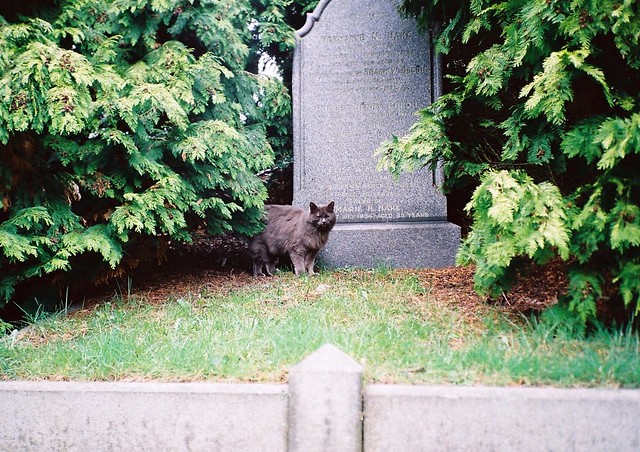
These two are actually very recent ones that I took at the Tunbridge Wells Woodbury Park Cemetery. It's a beautiful "Arcadian" Victorian cemetery (with the latest grave being from the 1930's) which is a refuge for all kinds of wildlife. Because it was originally carved out of grassland it retains a wide variety of plant life that is becoming rarer in towns. It also has a thriving bird collection, from song thrushes to greenfinches! We, however, also found it to be popular with Cats (the white one certainly made me jump!)


These fit in nicely with the "Living Churchyard" project I have been looking into. The National 'Living Churchyards and Cemeteries' scheme wants local communities to get involved in the management of their churchyards for the benefit of wildlife as well as the local congregation and visitors. In many churchyards lie the potential for beautiful wild flower meadows and patches of woodland. Also, the older gravestones provide a thriving environment for rare or unusual lichen (modern marble headstones cannot be naturally weathered, and no moss or lichen can attach to them). There are also the options for a "Green Burial" with cardboard coffins being used, I'm sure it is hard for some people to become comfortable with their bodies becoming compost, but at least you're being very useful to the environment!

Personally, I can't think of anything nicer than a churchyard full of wildlife, however, many local parishes have postponed the idea incase the place starts looking messy or dilapidated, not a good enough reason in my book. If the paths are kept clear and families can have the option to keep their own graves how they would prefer, i don't see how ANY church could turn down this scheme. Lets face it, so many of the older graves aren't even visited any more, if it wasn't for the volunteers, they wouldn't be tended at all! I cant see why all churches can't at least have a designated area for uninterrupted growth!

Churchyards are very often the last remaining sites of ancient medieval grasslands, and are sometimes the only green spaces available to town communities. The Victorian style of cemetery (such as Woodbury Park) were built with a similar purpose in mind! Ivy is another speciality of cemeteries, and when completely untended they often look as if they have been engulfed by it. The Victorians were particularly fond of ivy as a ground cover and to create atmosphere: they even incorporated ivy motifs into many of their headstones.

Personally, I would find both visiting and being buried in a place full of wildlife a FAR more pleasant idea than in a soulless inter-city plot.


These pictures are from the churchyard at Offchurch, Warwickshire. HERE are some examples of the Living Churchyard projects in Warwickshire, I think more southern locations need to take note!!

Thanks for reading!
Katie

Woodland Birds

Here is another amazing book I have found in the Tunbridge Wells "Hall's" bookshop, a regular place for me and Bruce to browse on a Saturday afternoon!


It's the most amazing shop, floor to ceiling with every book imaginable!

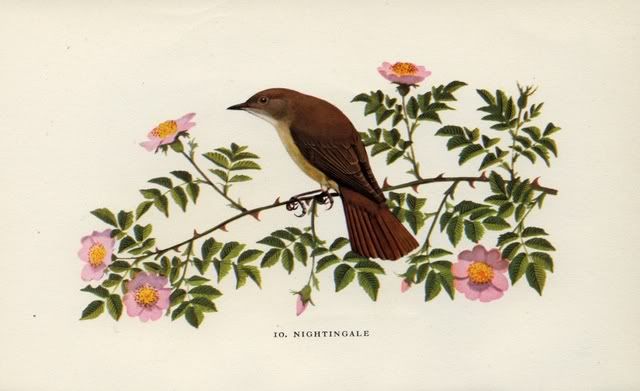
"Woodland Birds" is a King Penguin book, so naturally it's beautifully done! Could you imagine a better front cover?


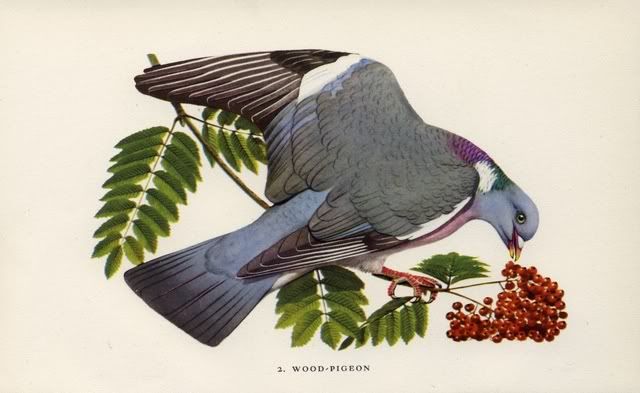
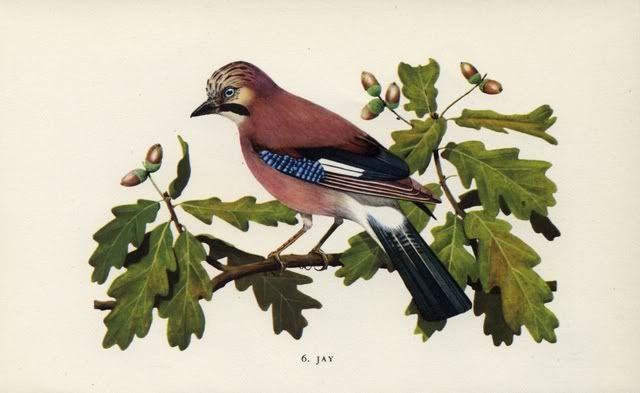
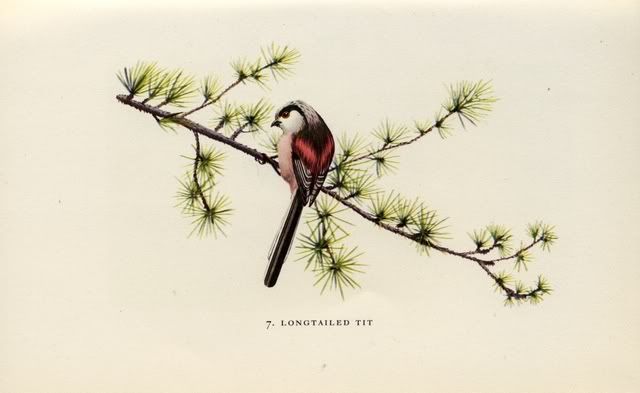
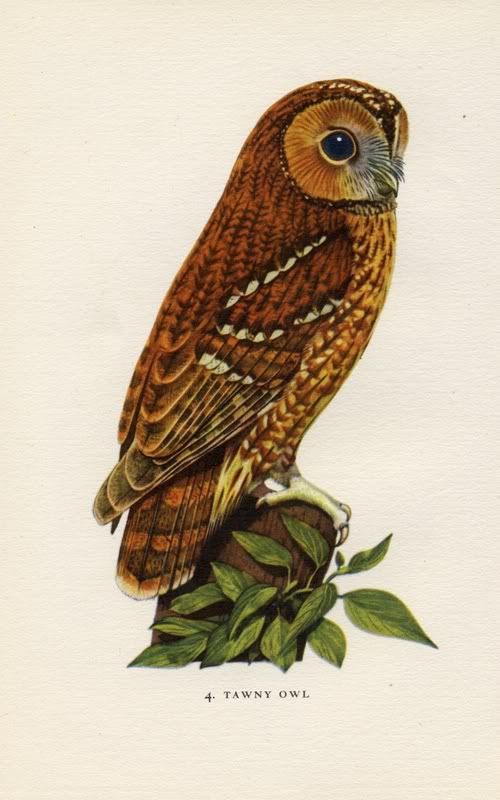
I have several books of bird studies, but this is my new favourite. The illustrations are absolutely beautiful, the compositions are very unusual indeed, particularly this one of the pigeon, it just seems too delicately posed for a educational book...


The illustrations were by Peter Shepheard, a passionate naturalist, artist and architect. It's said he always travelled with a small pocket knife and an A5 ringbound sketchbook. Some were filled with concise site notes, or sketches to explain to his architecture contractor or client how something could be constructed; others contained exquisitely drawn animals, plants or nudes, mostly executed from memory. He seemed to be constantly interested by the natural world around him.

Annabel Downs writes: "From childhood days pedalling around the Wirral, looking into ponds and birds nests, Peter Shepheard remained passionate about nature; he was interested in wild plants and native species long before it became fashionable. He abhorred double flowers, improved varieties, and variegated and coloured foliage.

He absorbed how nature worked, and then sought to understand more through drawing - how a pintail duck sits on water, for example, or how a building he was designing would sit in the landscape. Nikolaus Pevsner asked him to illustrate two books on ducks and woodland birds in the King Penguin series. He also produced all the line drawings for his own books, Modern Gardens (1953) and Gardens (1969).
"

A wonderful inspiration. I hope you enjoy his stunning illustrations, i'm so glad to have found another fantastic naturalist, they are certainly rare these days.


Thanks for reading!
Katie

New Aldershot Glass Negatives

Good evening!

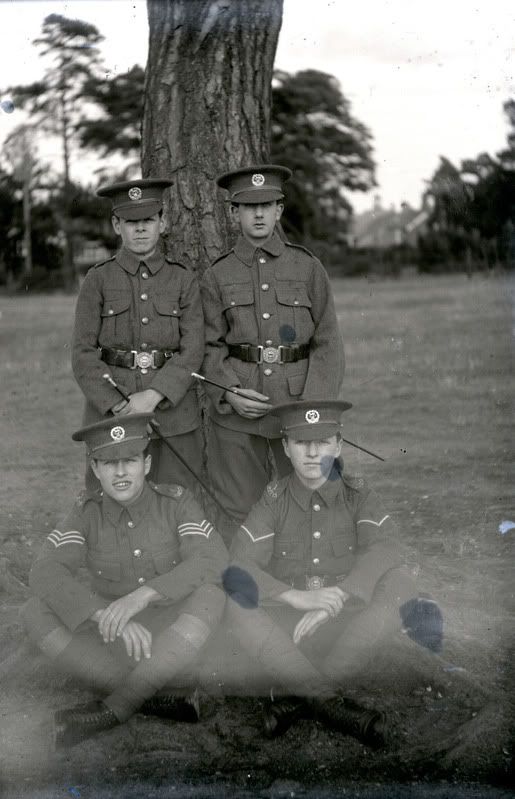
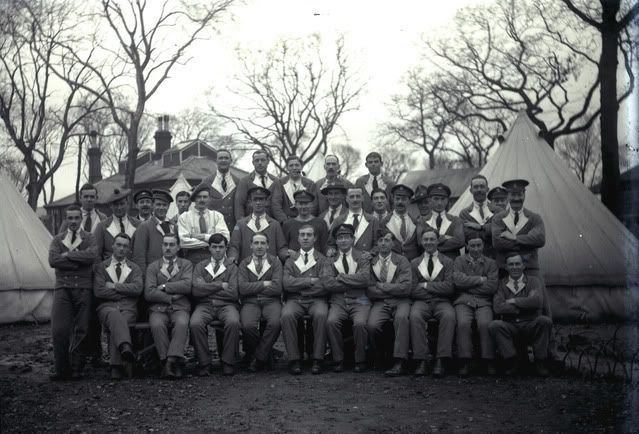
I was lucky enough to win some more glass plate negatives featuring Aldershot, the seller couldn't tell me much about them apart from they were taken around 1920, so in the aftermath of WW1 when troops would have been returning back to town. It was a bit of a gamble as they only photographed one of the slides on ebay, so i had no idea what the other 3 were like, but turns out I was lucky with my gamble! (anyway, for £2.99, it was well worth the risk!)

As always, if anybody can tell me more about these (as i have been getting so many extra visits since my post on Frith Hill, so lots of you must be as interested as i am!) please do leave a comment or email me at: info@katiebedlow.com, I always want to learn more!


Those white tents are becoming quite iconic to me now!

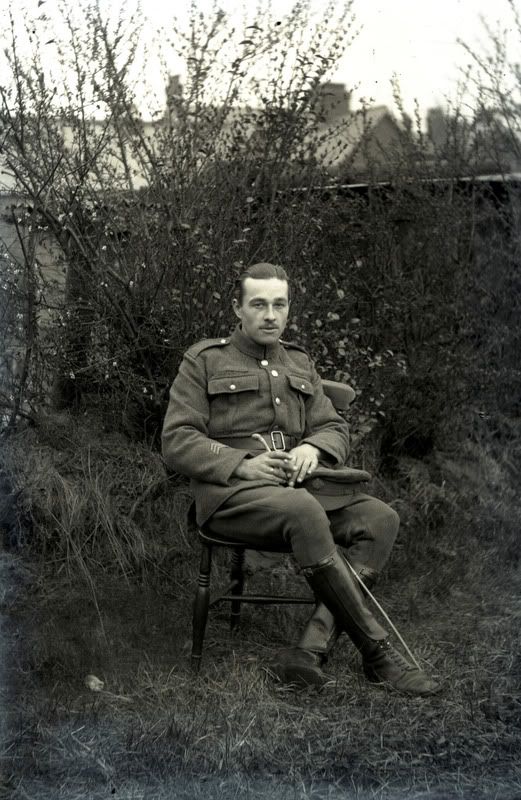
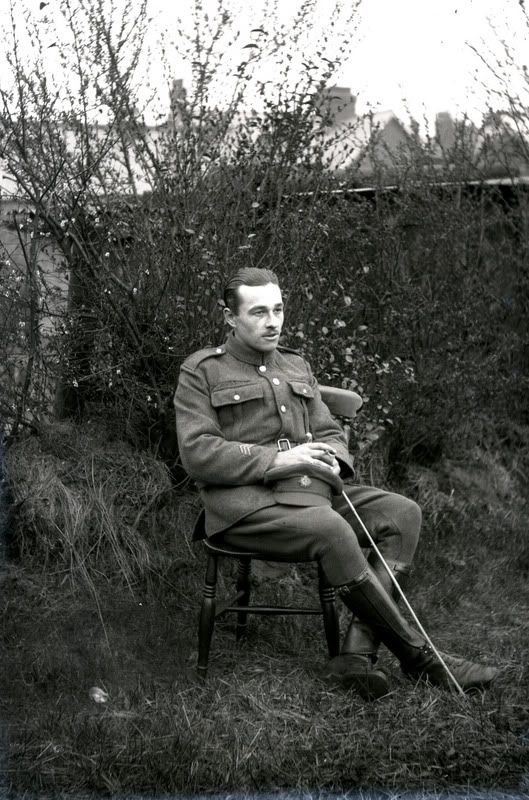
I also struck gold with these two portraits, they were both obviously determined to get it right! I also love the use of the old wooden chair against the prickly hedge, quintessentially English!!


I am planning to ask advice at Uni about how I should approach printing from my collections of glass negatives, perhapes hand printing them myself could give them a new dimension and help make my intentions clear...because right now i feel like a bit of a mad collector lady (which of course, I am, but if i could make use of it, even better!)

Hope for those of you also researching Aldershot history, this proved useful!

Thanks for reading!
Katie