"Blooming Britain" Photographs by Julie Henry and Debbie Bragg


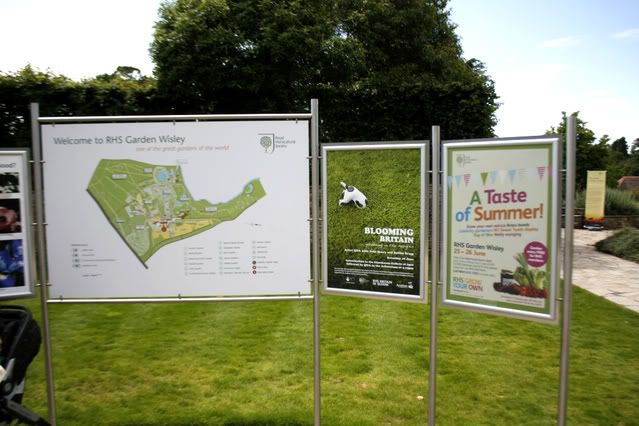
Today I was lucky enough to assist Julie Henry and Debbie Bragg with their "Blooming Britain" exhibition at RHS Wisley. I had never actually visited the site before, so what better time to go!
I first met Debbie and Julie last year at their exhibit at The West End Centre in Aldershot. I had contacted them to say how much I enjoyed their series of the Rushmoor in Bloom competition, (I said I'd never seen photo's of Aldershot looking so lovely!) and offered to help with any further developments, and luckily, after being granted funding from the British Arts Council, they were able to visit RHS competition gardens around the Britain, and present these great photographs, including a selection of weatherproof outdoor prints! (For the tech geeks: Lambda c-type digital prints mounted on PVC with a outdoor crystal wrap!)

"Striving for the pastoral idyll is one of the country's most popular pastimes. For this new body of work, Henry/Bragg have turned the spotlight onto competitive amateur gardeners who enter their local RHS Britain in Bloom campaign. Blooming Britain is an enquiry into the dynamics between public display and the gardeners social standing: gardens are a blank canvas for peoples stories and imaginations"

It was great to meet some of the gardeners featured in the photographs, and I think everyone had a really lovely time at the Q&A session, the rain even held off for a while! I was even given a very snazzy Uniqlo "Pansy" t shirt especially for the occasion! It drew quite a few admiring glances!


Hope you enjoy seeing the show!
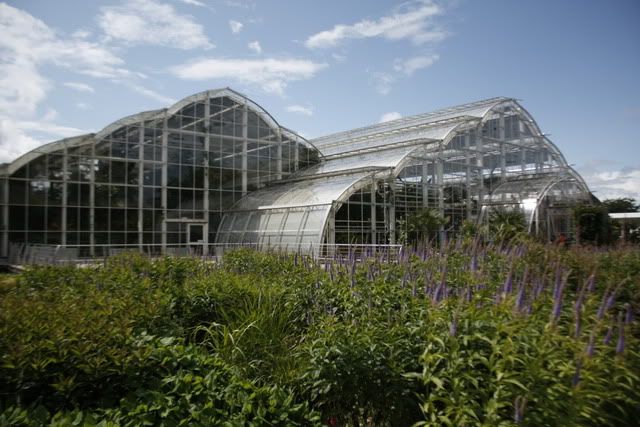
The exhibit was held in the beautiful 'Glass House' which was only opened in 2007.
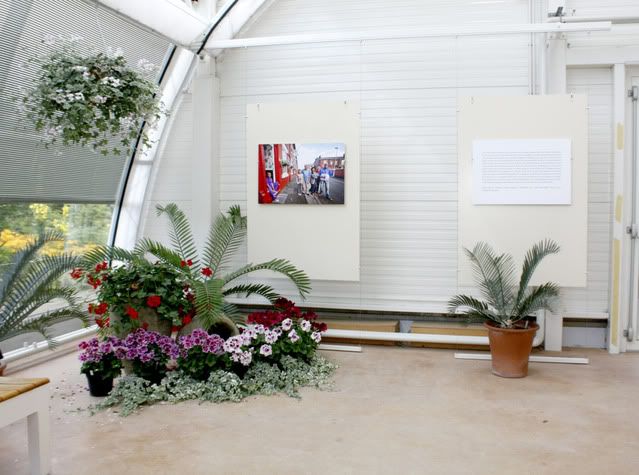
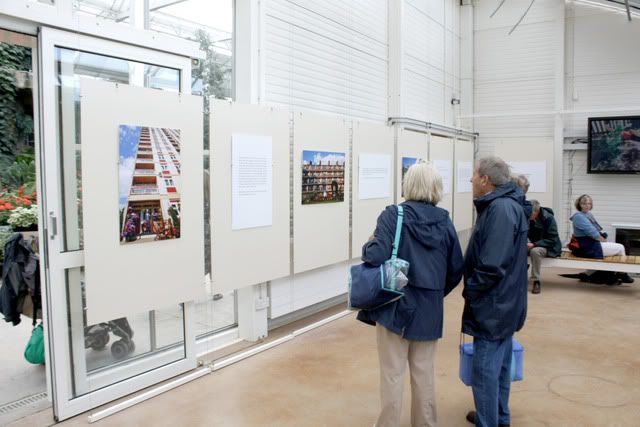
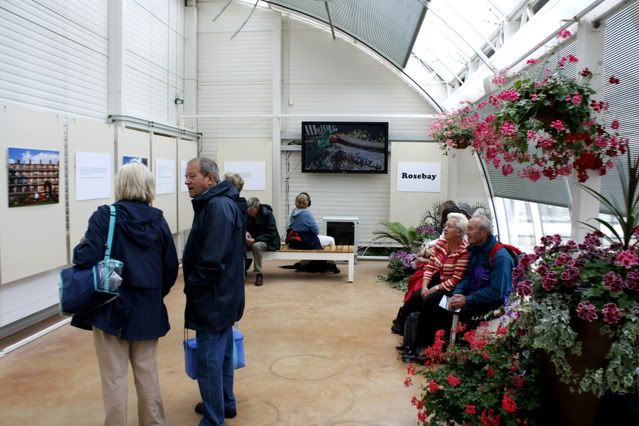
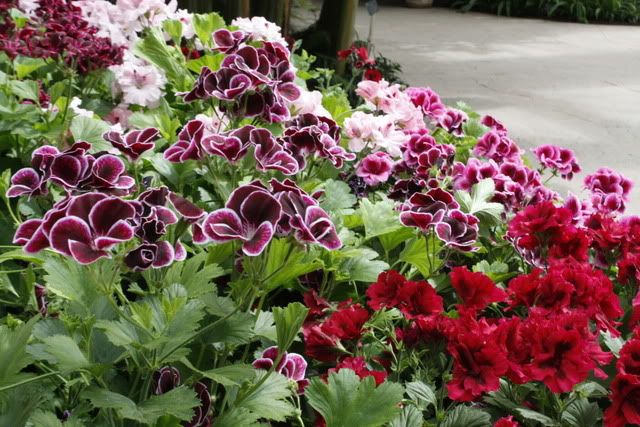

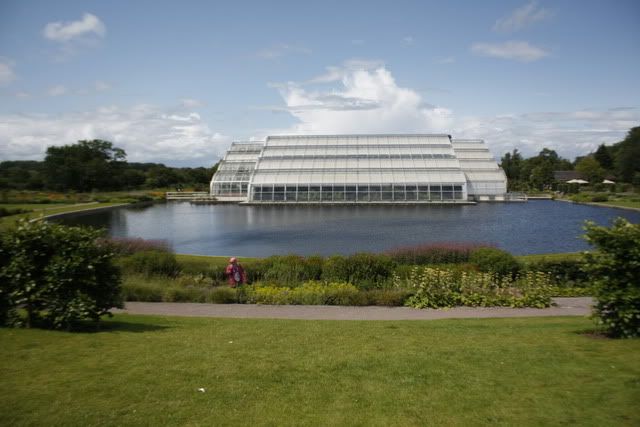
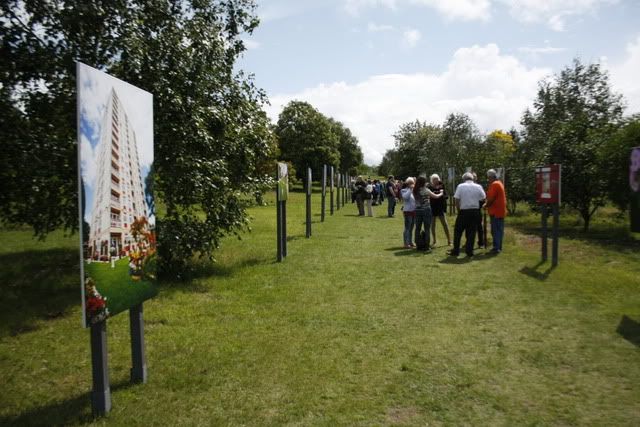

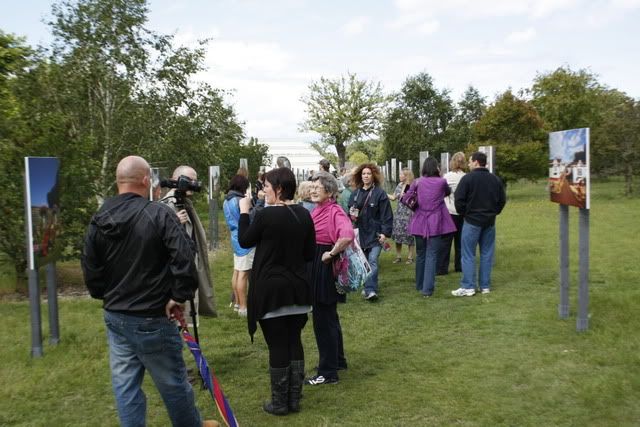
The outdoor work was shown in "The Arboretum" facing back towards the Glass House, look! Sun!

"Church Road 1 - Mrs Deadman, Thundersley, Essex"
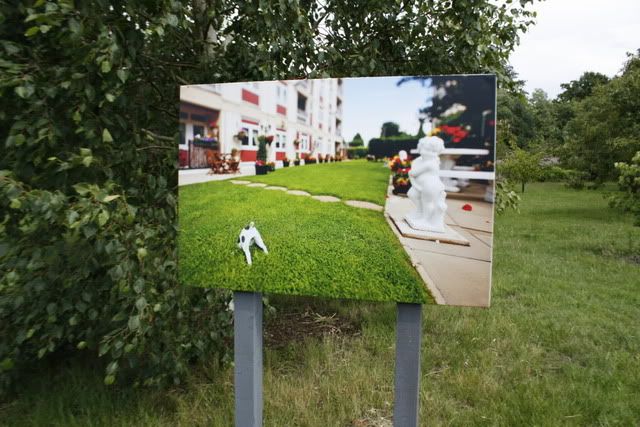
"Dobson Court 1, Hilda Heydon, Newton Heath, Manchester"
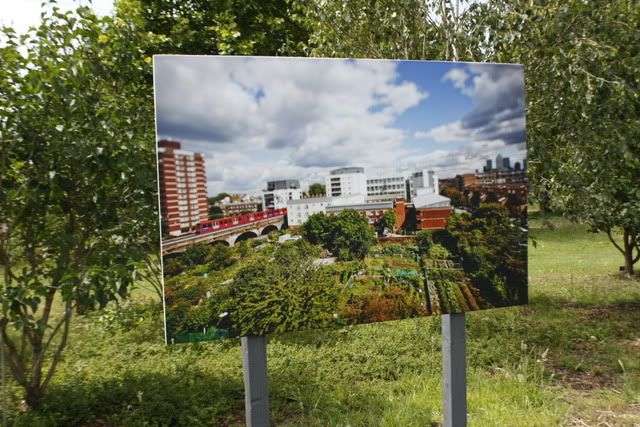
"Cable Street, Jane Sill, Tower Hamlets, London"

"Parkfields 2, Pat Johnson, Thundersley, Essex" - Julie Henry and Debbie Bragg with Pat Johnson
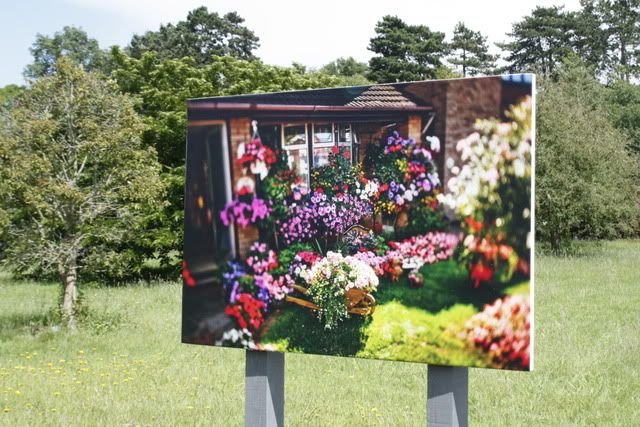
"Church Road 2, Mrs Deadman, Thundersley, Essex"

"Burnbank Street, Mr Macdonald Baird, Darvel, Scotland" - "I usually try to mix it up each year, a bit of colour for everyone, so to speak!"

Thanks to Debbie and Julie for letting me help! I recommend a day out to Wisley for all! Exhibition open until the 30th of June.

Katie

Farnham Freedom Parade

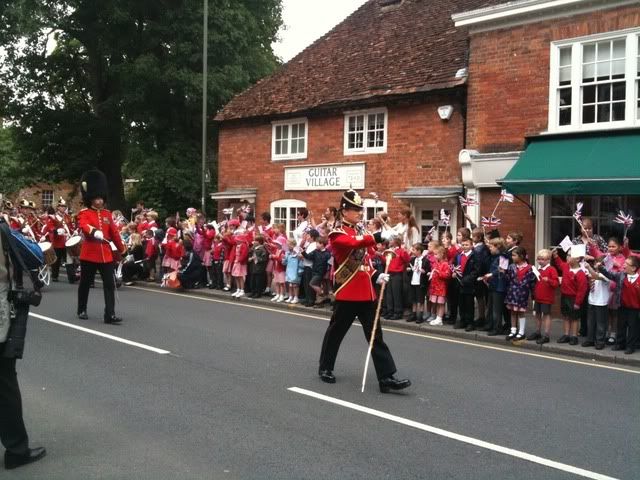
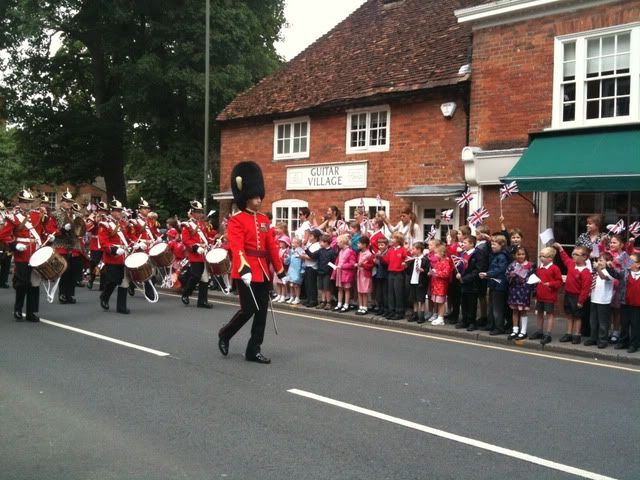
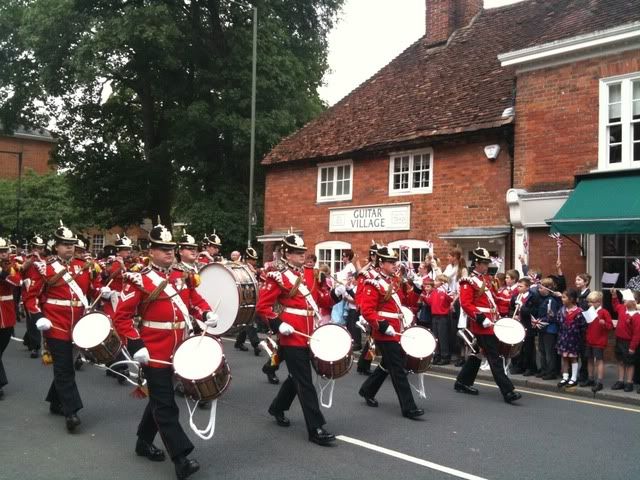
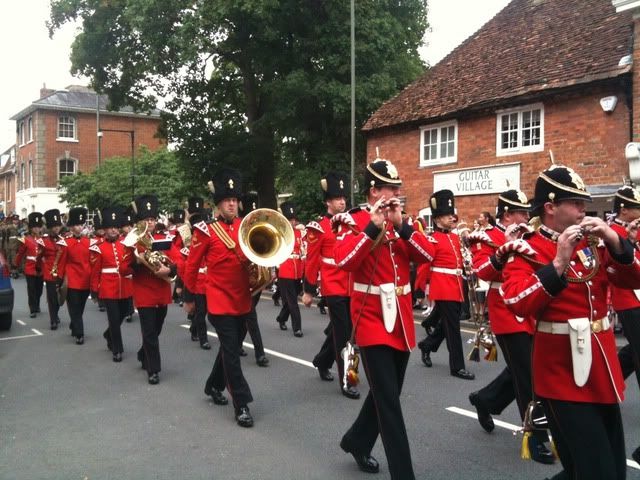
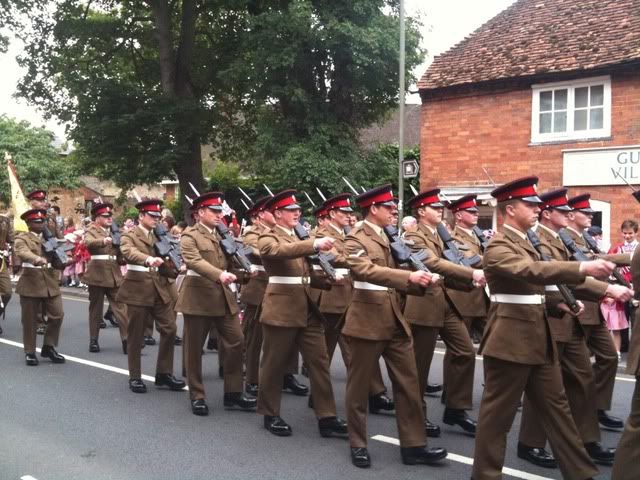
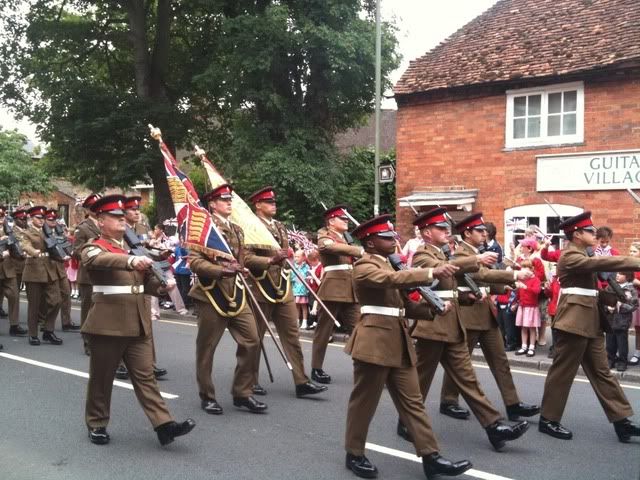
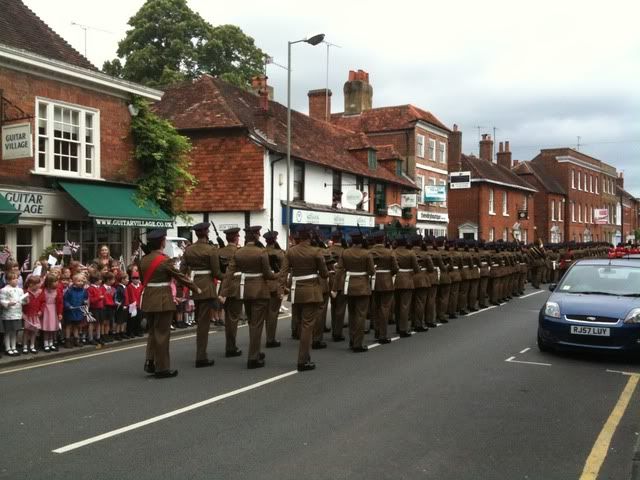
Yesterday was the Farnham Freedom Parade, where the Princess of Wales Royal Regiment marched through the high street, to be saluted at Castle Street before continuing to Gostery Meadow where the freedom scroll was officially handed over to the Regiment by the Mayor of Waverley. The PWRR has a long history, and has been involved in practically every theatre of war since The Battle of Tangier in 1662. It is the most decorated of all British Army regiments, with 57 Victoria Crosses including the VC awarded to Lance Corporal Johnson Beharry in 2004 for his gallantry in Iraq.
There are three PWRR battalions; two regular and one Territorial. Members of all three battalions are currently serving on operations in Afghanistan and Iraq.


It was such a great sight to see service men and women back locally, It's unusual for me to see any sort of military activity in Farnham, so I was glad I was in town at the right time! I was actually at Farnham Museum for my introductory day at the time, which was the perfect spot to step outside to cheer, as you can see, Potters Gate school also came to celebrate! I am very excitied to be starting at the museum...more news from there soon!


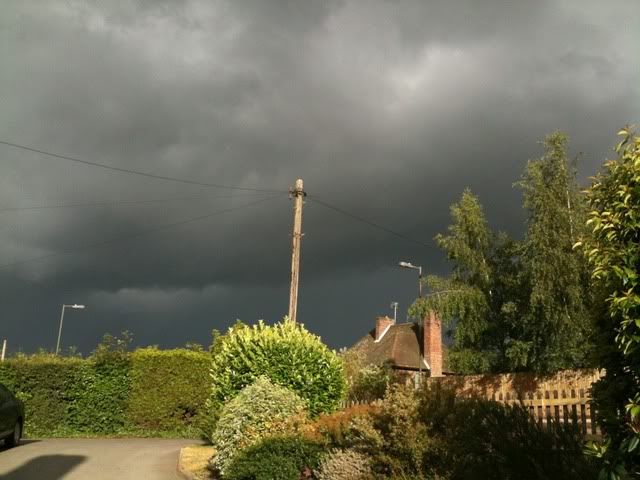
In the meantime, I wish this weather would decide what it's doing!! I HAD to take a picture outside my front door the other day, i've never seen a crazier rainy sky!

Hope you're all having a good week!

Katie
May/June

Hello all! On such a rainy Sunday I thought i'd show some nice photo's from the last month, lots of flowers and outside fun, that's how we roll!

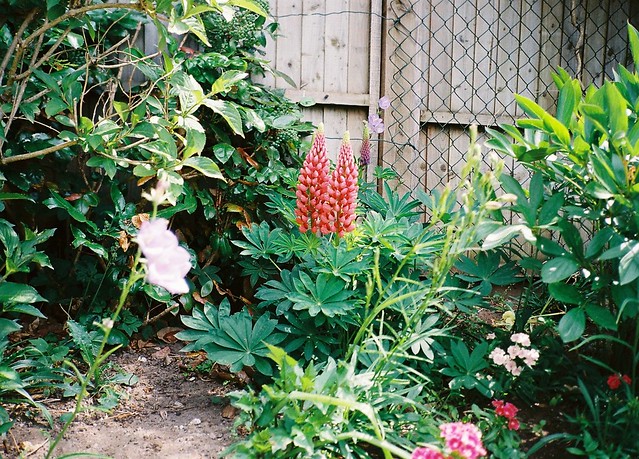
Gramp's garden, Lupins are my favourite flower of the moment.


Pimms in Thom's garden


Ripening.


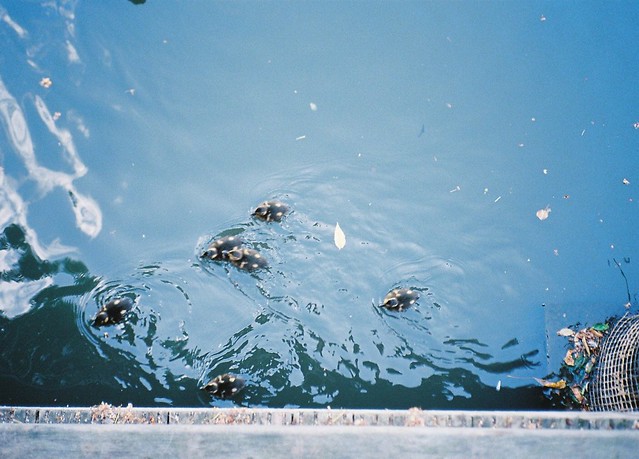
Ducklets


Suburbia


Thom's rock collection


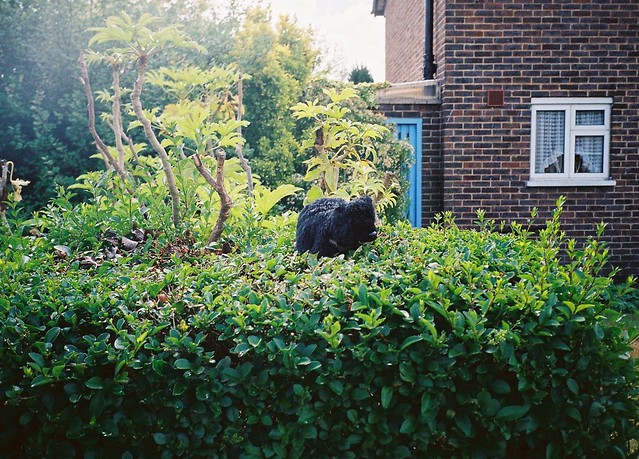
Little Bear.


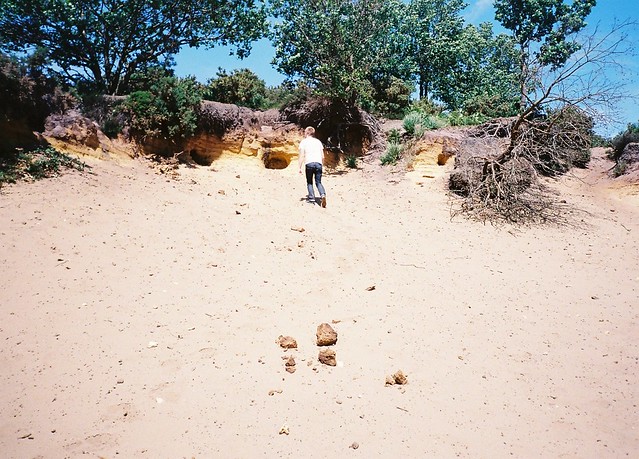
Our day trip to the desert (Ceasers Camp, Aldershot) 


Claire's work in the "Into Darkness" show in the vaults under Bath station.


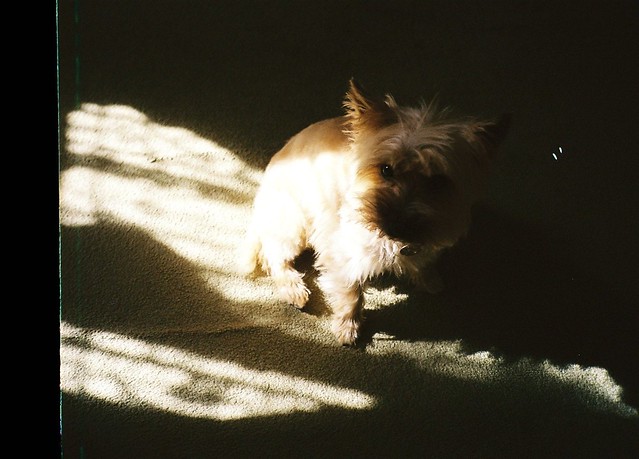
Mollie post-haircut


May certainly looks a lot sunnier than June is turning out to be! Bring back gardens and sun soon please!

So I had my interview at Winchester this week, it went well enough but now i just have to wait to hear....sadly i got caught up in all the South West Train chaos that night and took 3 hours to get home, at least my train got stuck in a station so i could escape the train and get a g&t, my sympathies to all who were stuck on the lines! It really wasn't SWT best week!

Lastly, I'm pleased to announce I have a new volunteering venture, find out this week what! :)

Thanks,

Katie
Little Wooden Huts

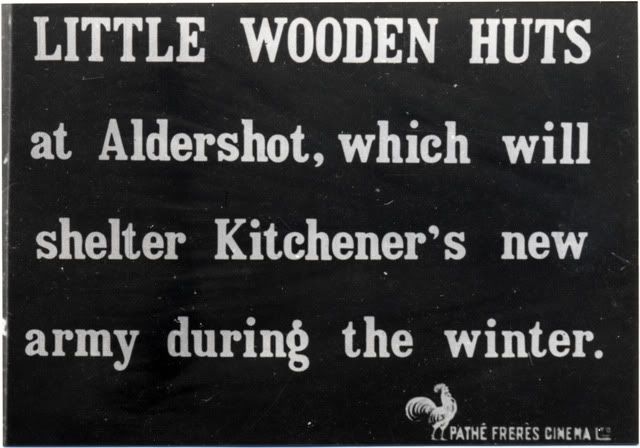
I recently purchased a set of "photographs" off Ebay which were described as "Little wooden Aldershot huts built to shelter Kitchener's Army over the winter".
The seller also said:"I know nothing else about these, the various images from the whole box look like the owner was practising his photography, I may be wrong therefore listed to see if they are of interest".
The picture online wasn't great, but I thought they could be a nice addition to the collection. Once they arrived, let's say I was slightly surprised!

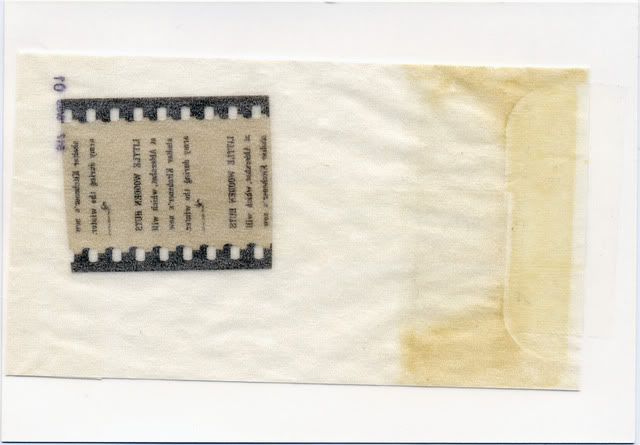
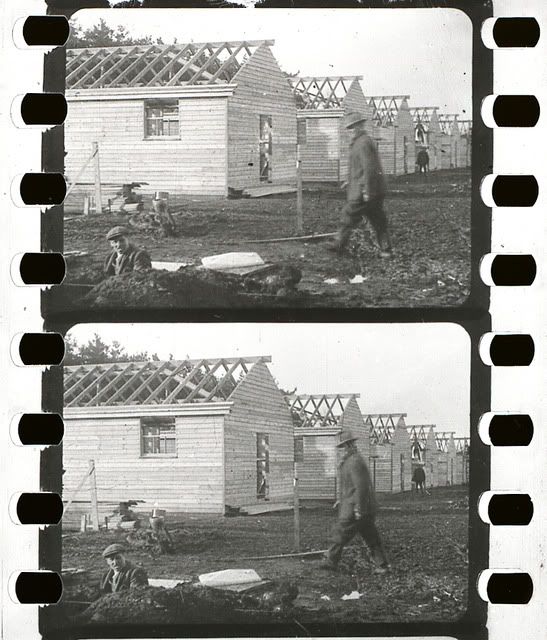
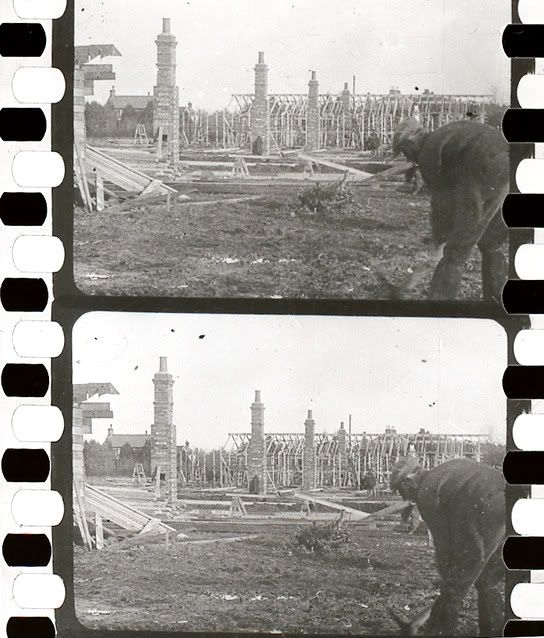
They are 5x7 sized prints, but each had a negative attached to the reverse, as they are 'portrait' aligned, they are actually from a moving image camera.


The first image gives a clue to it's origin:


As you can see in the bottom corner, it belongs from a Pathé cinema production, which first began in 1896 by French brothers Charles, Émile, Théophile and Jacques Pathé. During the first part of the 20th century, Pathé became the largest film equipment and production company in the world as well as a major producer of phonograph records.


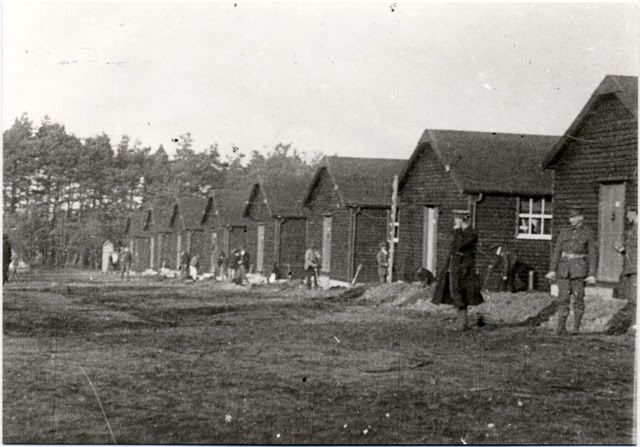
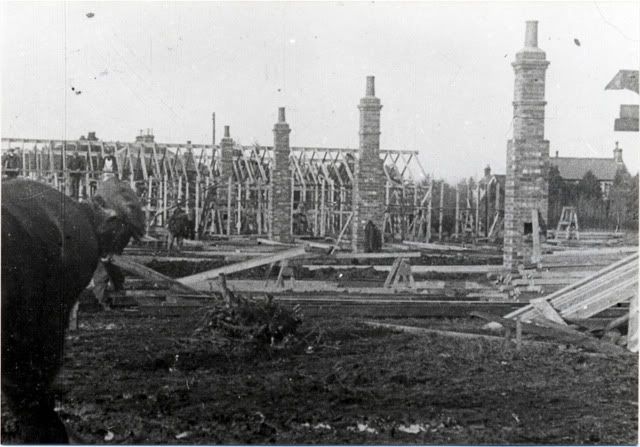
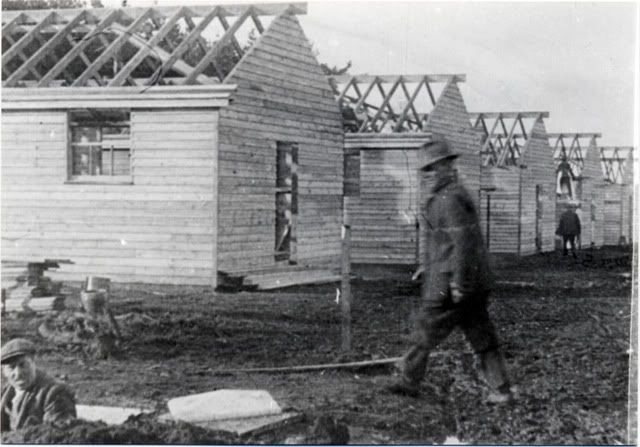
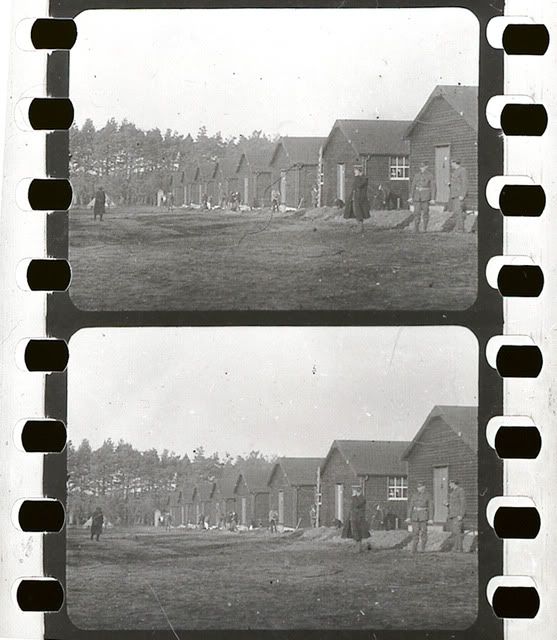
As you can see from the other four prints, the scenes are of the construction of 'Kitchener's Army' huts following the outbreak of the First World War. They were otherwise known as the "New Army" or even "Kitchener's Mob" and were (initially) a volunteer army formed after recommendation by the then Secretary of State for War, Horatio Kitchener. I'm sure you will all recognise him from this campaign:


Kitchener predicted that the war would be long and brutal (unlike the popular belief of "it'll be over by christmas!") so set about preparing a force of newly-trained divisions to be used after the first wave of troops. He fought off any concerns, and refused to use the existing territorial army for the basis of the new regiments as many of its members had volunteered for "Home Service" only, he didn't deem them suitable prototypes. The territorial army lacked equipment and took time to form when needed.

This NEW army was used to form Battalions under existing British Army Regiments. These were put to practice in the Battle of the Somme and Passchendaele, where the Field Marshal General Haig used them in a risky and highly criticised attrition strategy.

All the five New Army groups were made up of volunteers, and at the beginning, due to huge numbers wanting to sign up, the queues ran a mile long outside the recruitment offices. It was due to this influx of soldiers they had to build quick accommodation for them, hence these Aldershot "Little Wooden Huts". Almost 2.5 million men volunteered for Kitchener's Army.


Needless to say, by 1916, when the news of these controversial war tactics had been leaked back home, the queues were no longer stretching around the block. Moral and enthusiasm was lacking, therefore Britain had to begin conscription like the other great powers involved in WW1.

AND, excitingly, after searching through the Pathé online archive, I have found the exact film that my negatives come from! It's only a 30second clip, but it's still exciting to think I own some of the stills.

(WOODEN HUTS) - British Pathe


(WOODEN HUTS)


The description of the film reads:

"Aldershot, Hampshire?

Construction on military base. Several identical small wooden buildings are under construction. Horse pulling wagon carrying building supplies, pan to a long building with just the frame built, worker leaning over in foreground using pickaxe. Foundations of more new buildings at right.
Army huts now built and painted a dark colour, soldiers and army officers mill about outside huts.
American cataloguer's note: maybe these are extra barracks built at Aldershot during World War One to accommodate huge volunteer army."


For me, these images are another fantastic example of the "Home Front" approach to warfare, and the feeling of misplaced optimism about their situation. No-one could have guessed the brutality of what was to come, it was still almost seen as an adventure. Those still at home were still unaware of what was occurring on those foreign fields, they probably had in mind the glory days of the British Empire and all those long ago battles we had won with glorious men on horseback. For these Aldershot men, it wouldn't have been long until they found out the truth for themselves.

Hope this provided another good insight into my Aldershot exploration.

In other news, I have an interview at Winchester University this week....exciting times!

Thanks,

Katie

Painshill Park

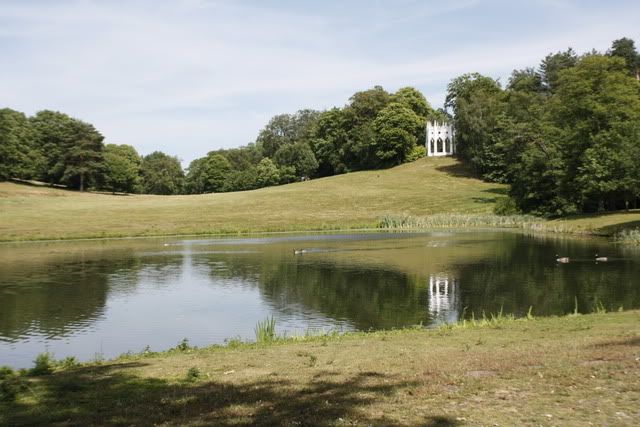
Painshill Park was created between 1738 and 1773 by Charles Hamilton, a painter, plantsman and brilliantly gifted and imaginative designer, he dedicated his creative genius to the layout and composition of a unique landscape garden.
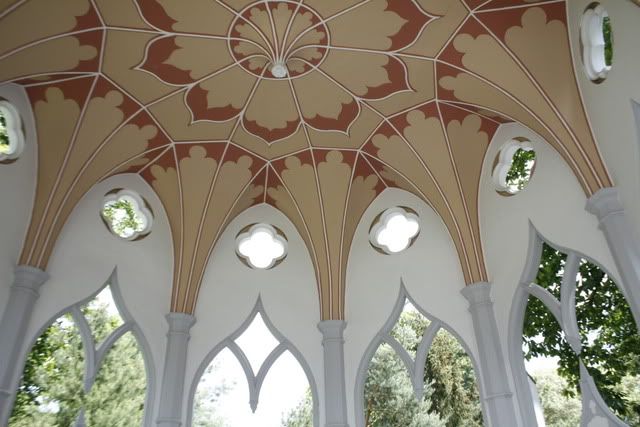


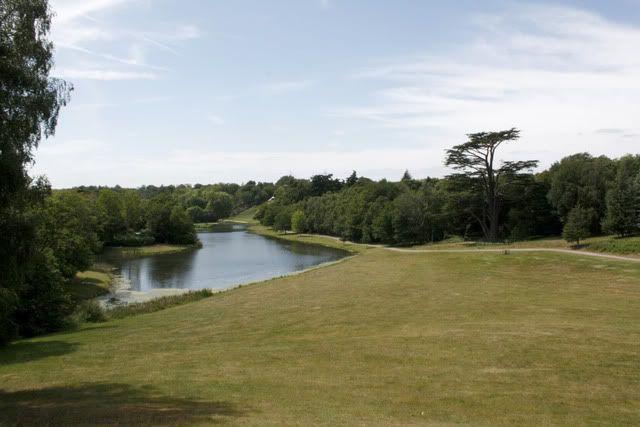
He acquired the land in 1738, which over the years built up to over 250 acres. Painshill was created as a romantic landscape to stimulate the senses and emotions of the visitors, as Hamilton was heavily involved with the picturesque movement. The gardens were divided into two parts; the ornamental pleasure grounds to the south, with the lake as the central feature, and an adjoining crescent of open parkland to the north in a free and natural style.

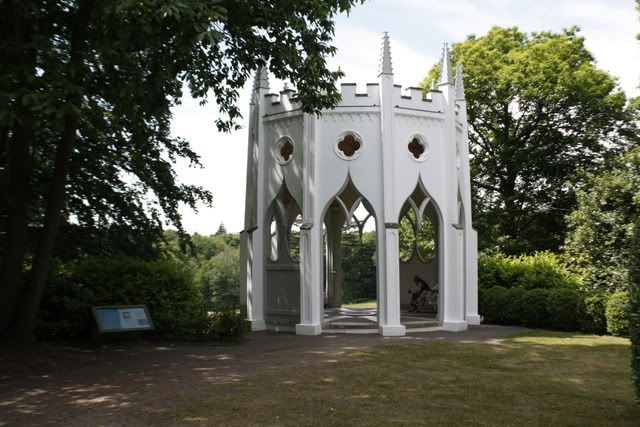
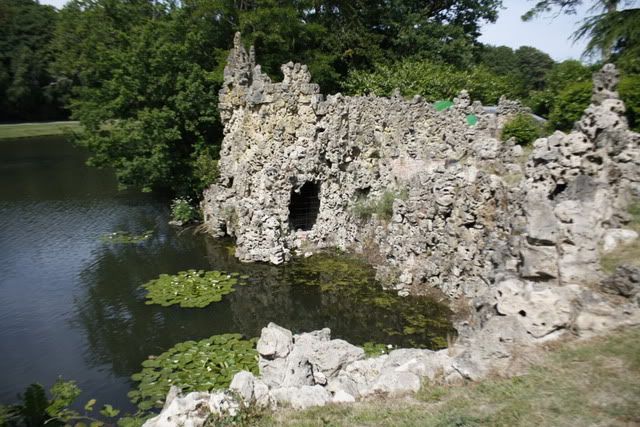
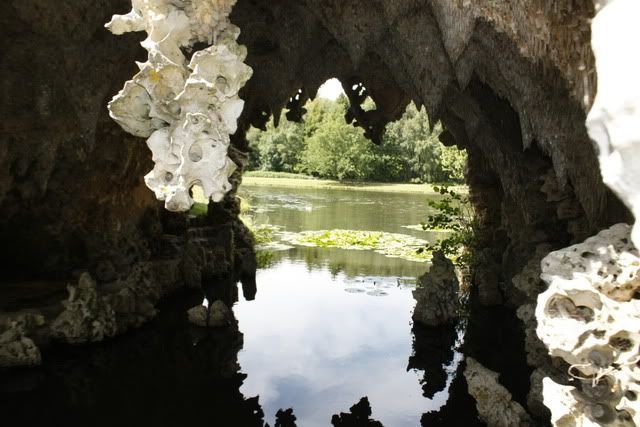
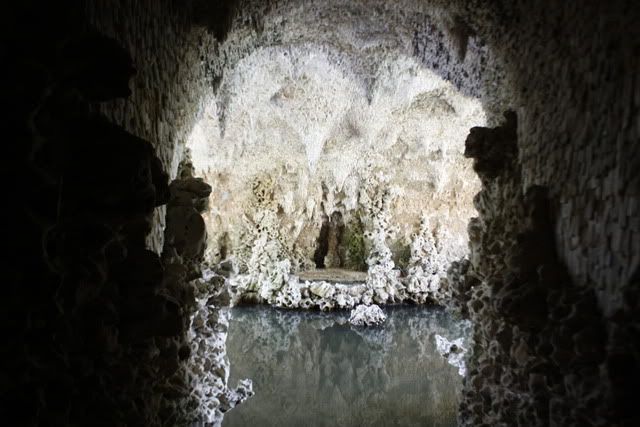
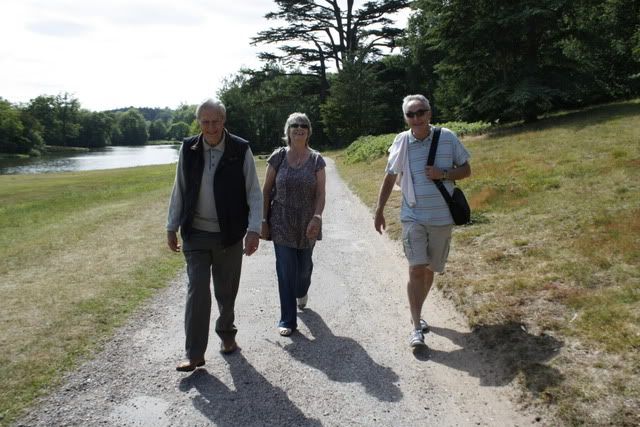
We visited the park today, and thoroughly enjoyed walking between each of the themed garden features, such as the Gothic tower, Chinese bridge and crystal grotto.


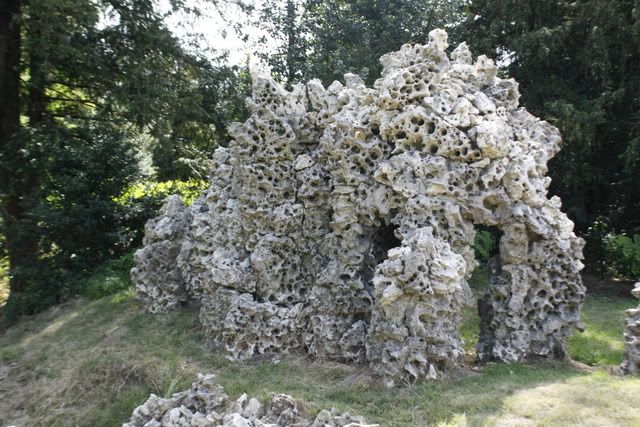
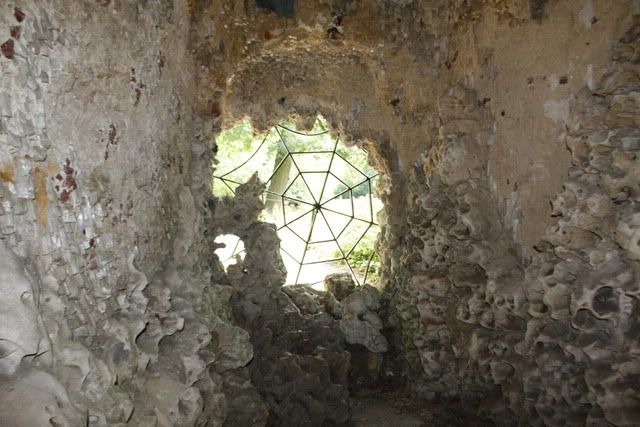
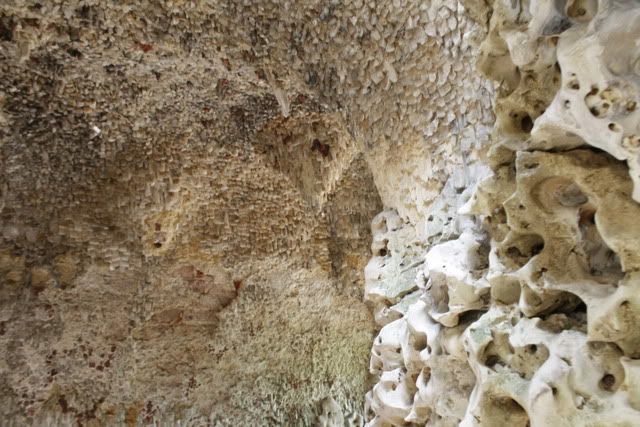
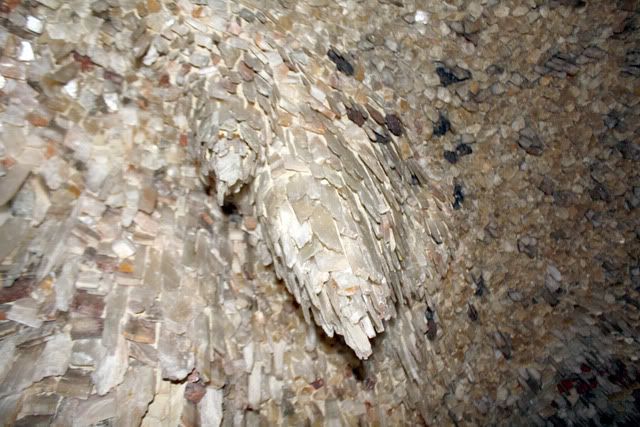
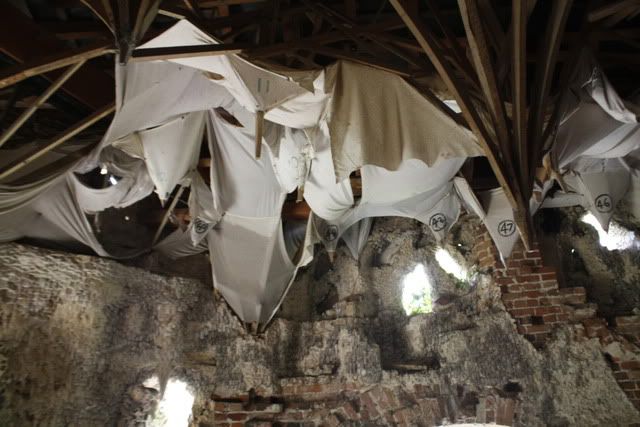
The brick-built Grotto is built with limestone, lined with calcite, gypsum, quartz and other minerals. It was constructed by grotto maker Joseph lane with a design by Hamilton himself. The dark mysterious tunnel full of light-catching crystals leads to a large open chamber with water cascading from two alcoves in the lake. They have been restoring the grotto since 1988. The roof of the main chamber was damaged during the second world war when the lead was taken to finance a VE day party by the nearby army garrisoned at the house. A major archaeological dig in the 80s revealed the exciting range of crystals used in the original construction, and all the original water features.

In 1987 English Heritage offered a grant towards the restoration, and the work and preservation has continued ever since. I found this a beautiful, unique space, and It's the first grotto I have experienced. A really special little place.


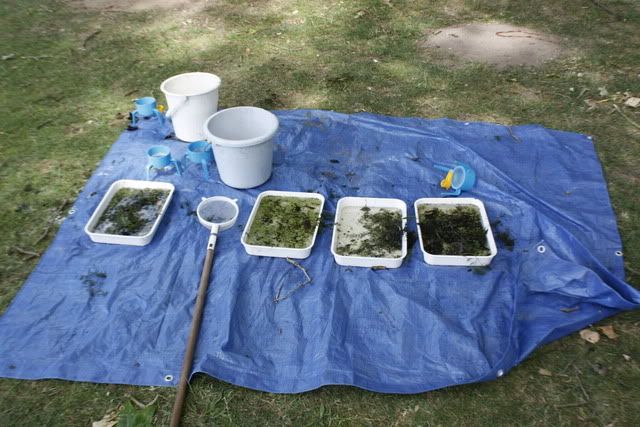
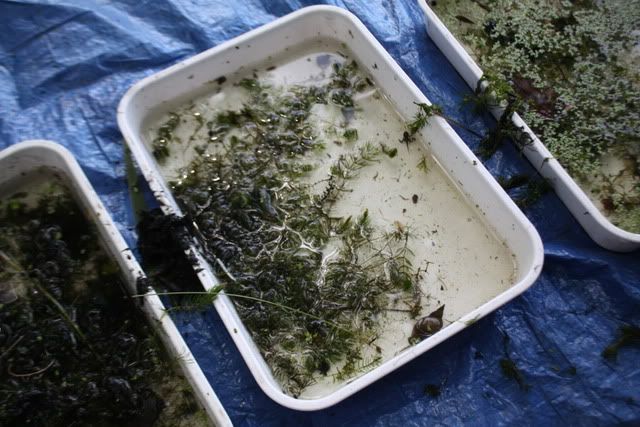
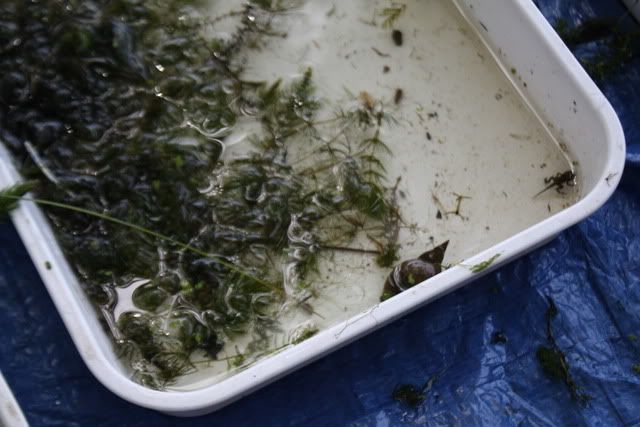
We also joined in with a spot of 'pond-dipping', I was lucky enough to catch a pond snail and a froglet, such fun!


A highly recommended day out (apart from the tearoom....don't ask! Send in Country house Rescue to sort that out!)

Hope that was enjoyable, fancy building a grotto sometime?? Let me know.

Katie